Ever wonder why every time you walk in the door your normally alpha dog rolls over and shows you her belly? When a dog presents her belly and neck in this situation, she’s expressing an ancestral trait rooted in wolf pack behavior that was used to communicate deference to other “alpha” dogs. Since that pack mentality likely isn’t present in her modern-day life, she’s now looking to you as the pack leader. Here are 10 reasons that will help you understand why your dog rolls over to show you her belly.
1. Because They Love and Trust You
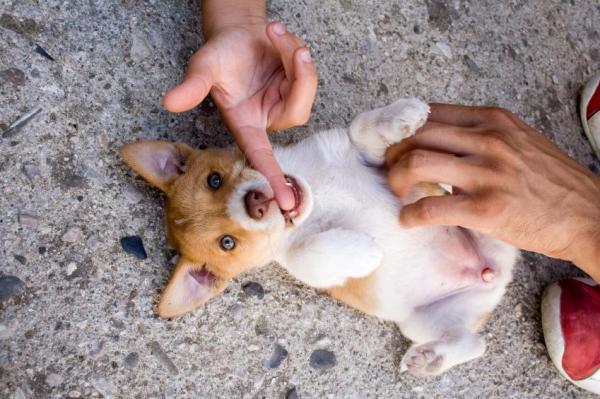
Happy dogs who show you their belly when you return home may be doing their best to let you know that they adore you. The entire body is relaxed and they’re in their most submissive posture waiting for some love.
2. Because They Respect You and Want You to Know it
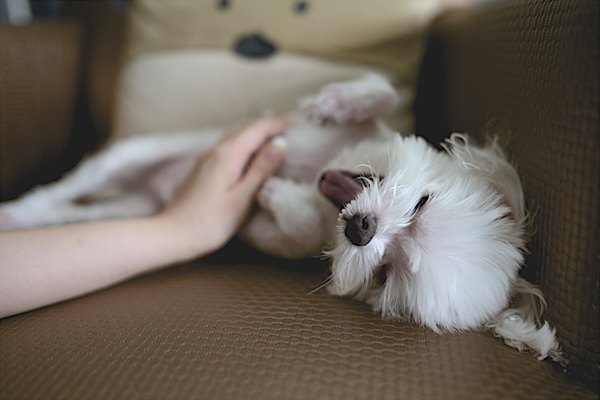
Hierarchy means everything in the canine world. By purposely exposing her vulnerable underbelly, your dog is communicating to you that she comes in peace and recognized your alpha authority.
3. To Seek Attention
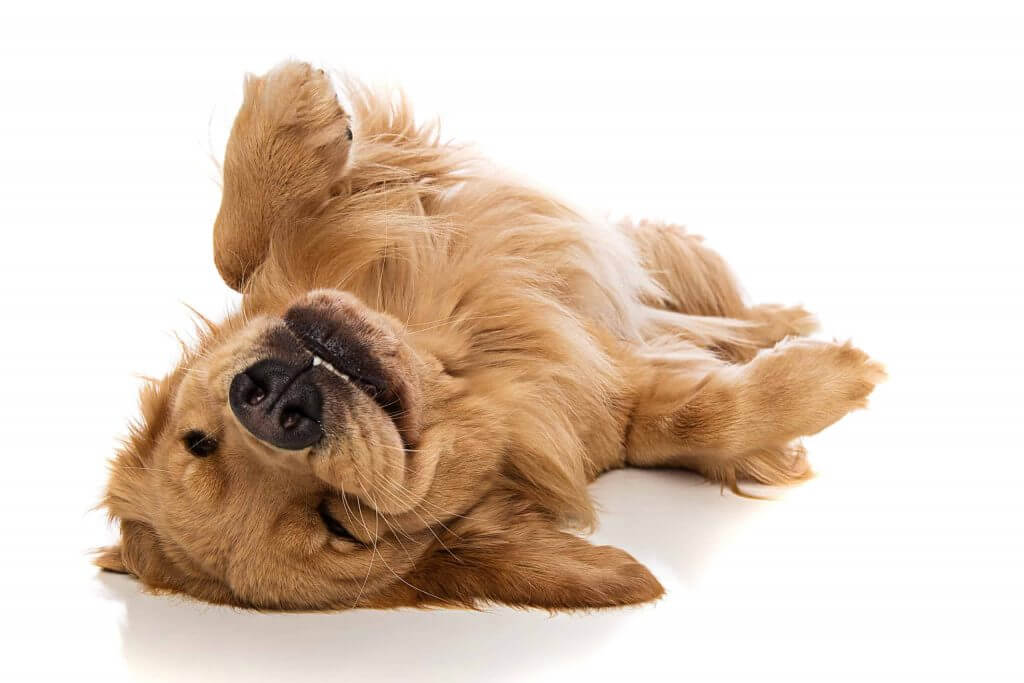
Dogs love attention, and rolling over on their back is a way to get it. This behavior is often accompanied by barking, whining, or pawing, indicating that the dog wants your attention. It could be that the dog is seeking affection, wants to play, or needs to go outside. By providing your dog with attention, you can strengthen your bond and make it feel loved and valued.
4. Relieving an Itch or Discomfort
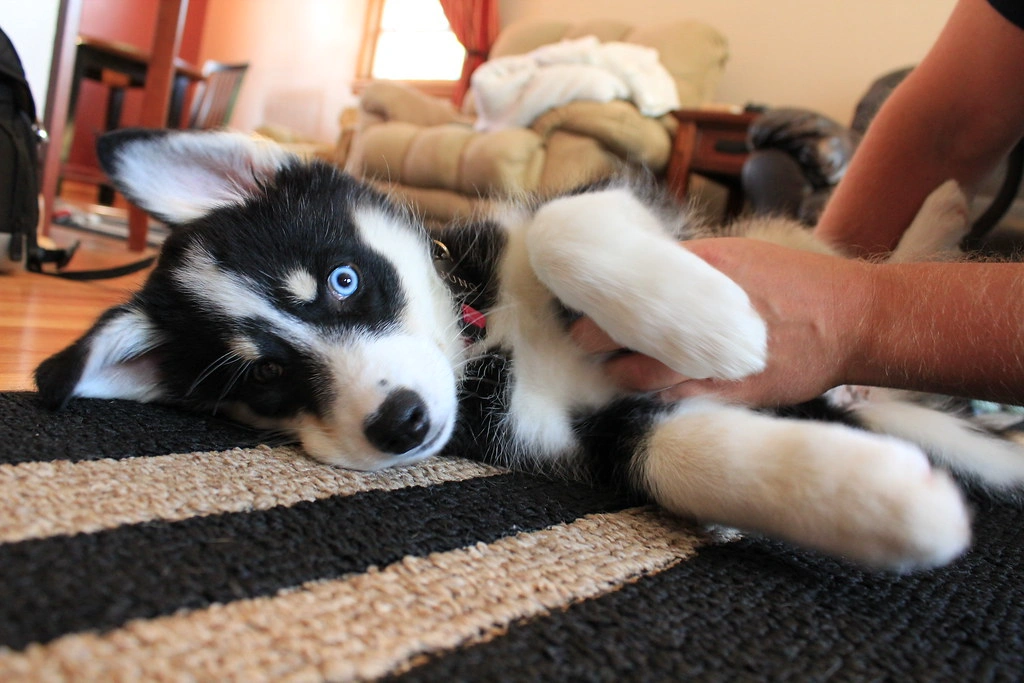
Sometimes, rolling over isn’t about communication—it’s about practicality. If your dog has an itch she can’t reach, rolling onto her back and wiggling might be her way of scratching it. This behavior could also be a sign of skin irritation, such as allergies or insect bites.
If your dog rolls over frequently and seems to scratch excessively, inspect her skin for redness, bumps, or signs of fleas. Consulting your vet can help address any underlying issues.
5. Scent Exploration
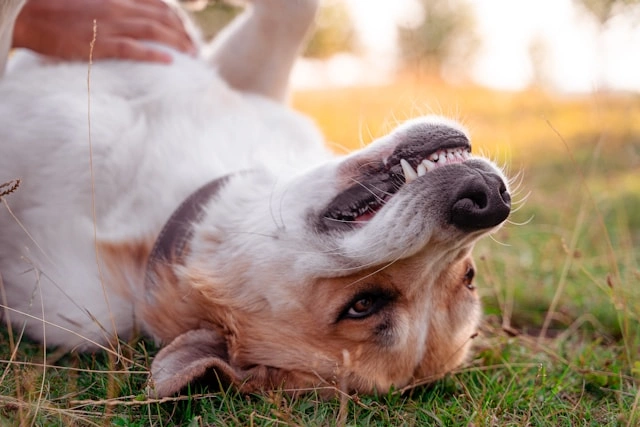
Dogs have an extraordinary sense of smell, and rolling onto their backs might be their way of experiencing the world in a unique way. If your dog rolls over in a specific spot, she might be picking up on an interesting scent or trying to transfer a smell onto her fur.
This behavior is common in outdoor settings, especially if your dog encounters something like fresh grass, dirt, or even an unusual scent. It’s her way of interacting with her environment.
6. Diffusing Tension or Conflict
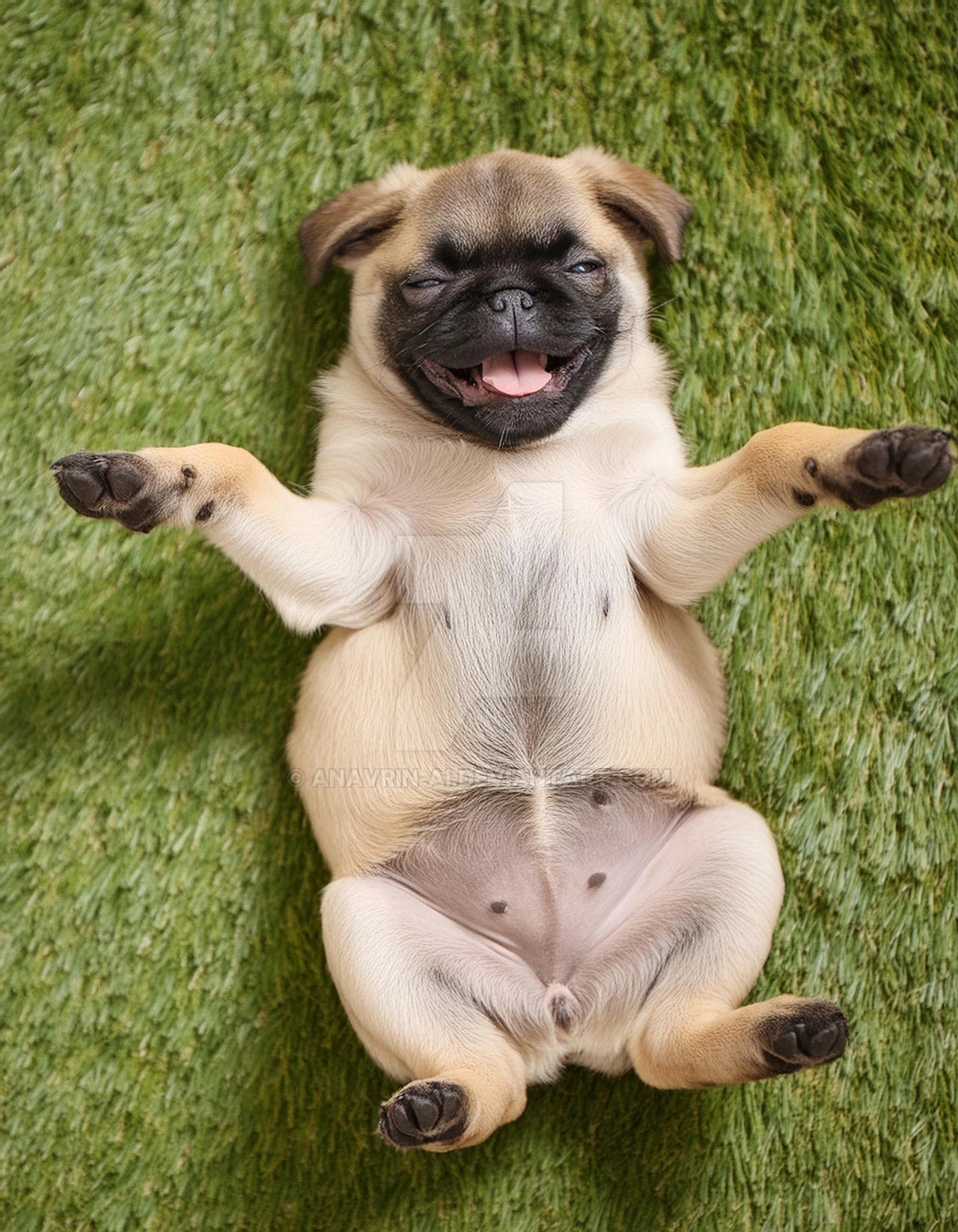
In dog-to-dog interactions, rolling over can serve as a calming signal to prevent conflict. If your dog encounters a more dominant animal, she might roll onto her back to show submission and avoid aggression.
This behavior is a natural part of canine communication and helps maintain peace in social situations. If your dog uses this tactic during interactions with other animals, she’s likely trying to convey that she poses no threat.
7. Submission and Respect
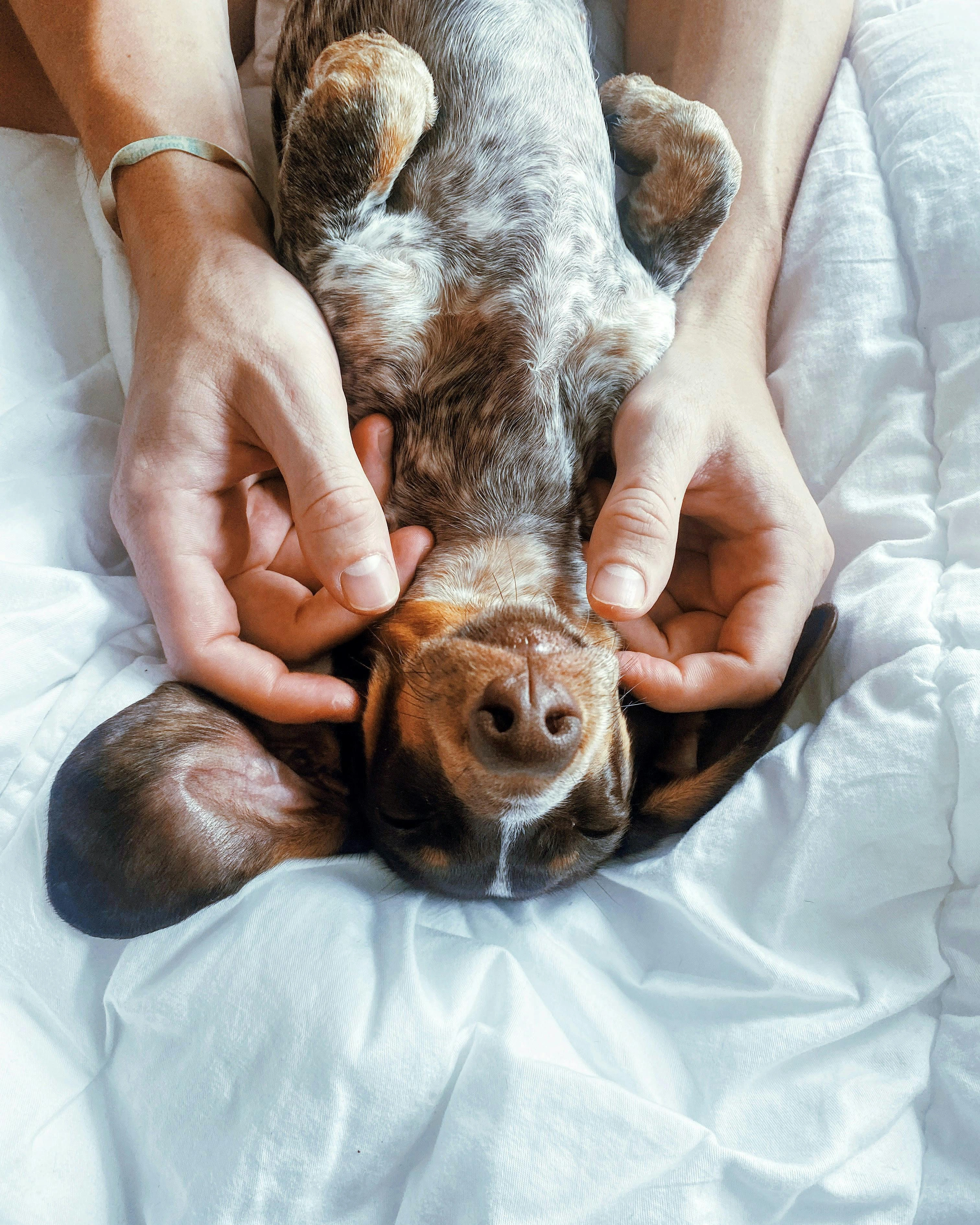
Dogs are pack animals by nature, and within a pack, there’s always a hierarchy. Rolling over is a common submissive gesture that your dog might use to acknowledge you as the leader. By exposing her belly, she’s saying, “I respect you, and I’m not a threat.”
This behavior is often accompanied by other submissive signals, such as avoiding direct eye contact, flattening the ears, or wagging the tail low. It’s her way of ensuring harmony and balance in your relationship.
8. To Air Out
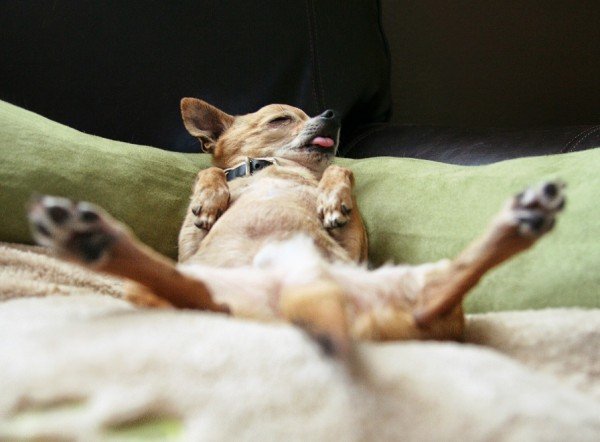
Although dogs attempt to regulate their body temperature by panting, some may park themselves next to circulating fans or air conditioner vents on hot days to catch the cool breeze on their bellies where there tends to be less hair in an attempt to cool down.
9. Because They Feel Totally Safe
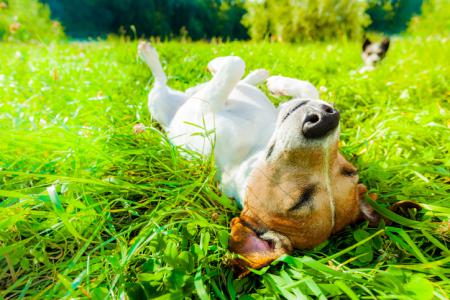
Confident adult dogs in their own homes roll on their backs and get into a relaxed posture when taking naps – usually on the sofa or your bed.
10. Enjoying Freedom and Relaxation
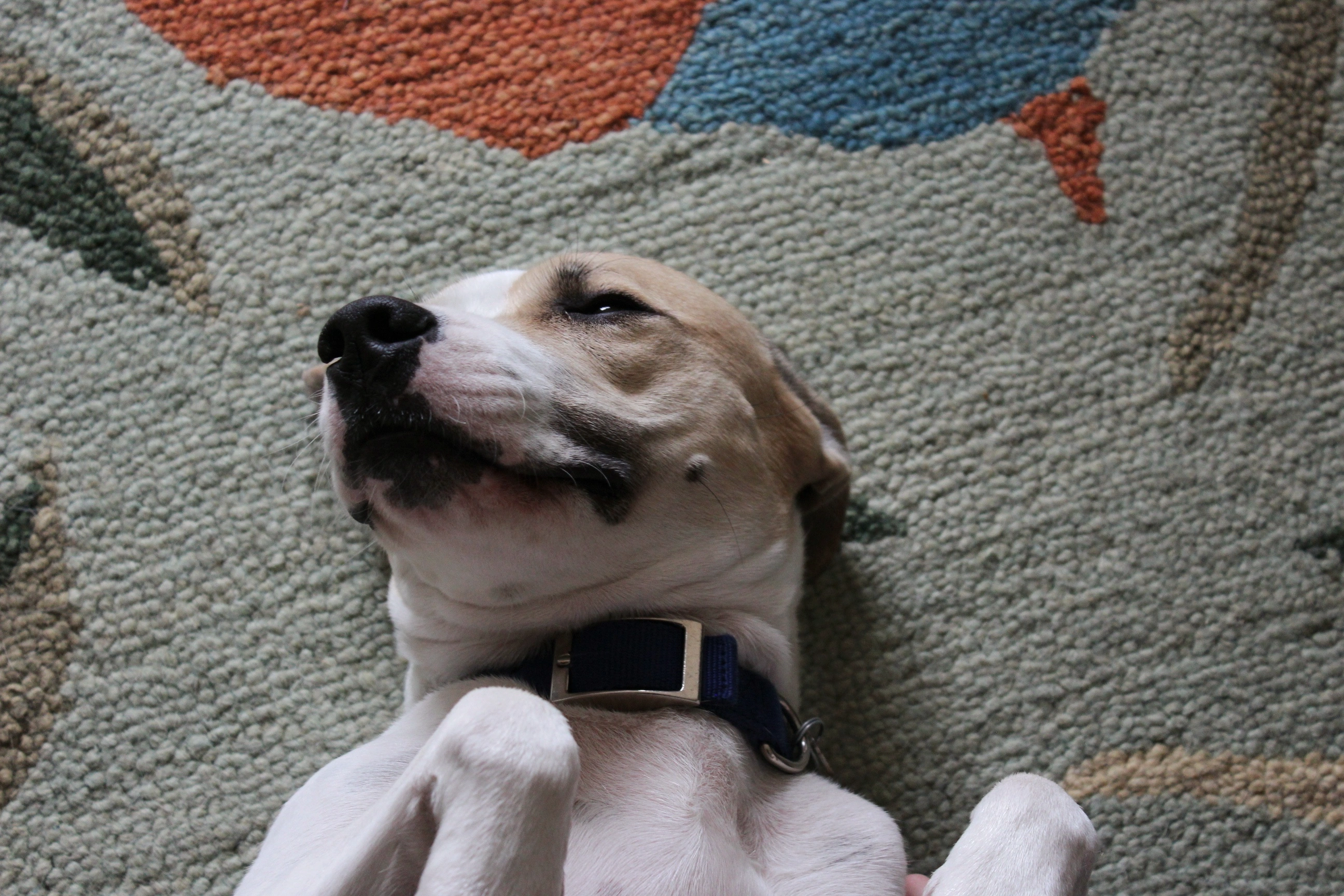
Finally, rolling over can simply be a sign that your dog feels free and relaxed. Dogs often engage in this behavior when they’re completely at ease, whether lounging in the sun or snoozing on their favorite bed.
This carefree act reminds us that dogs, much like humans, need moments of unwinding and pure relaxation. It’s their way of letting go and enjoying life.
How to Respond When Your Dog Rolls Over
Understanding why your dog rolls over helps you respond appropriately. If she’s seeking affection, indulge her with gentle belly rubs. If the behavior seems excessive, particularly if paired with discomfort or scratching, investigate further to rule out health issues.
By observing her body language and context, you can deepen your understanding of your dog’s needs and strengthen your bond. Recognizing these subtle cues is a key part of being a caring and attentive pet owner.
Your dog’s behavior is her way of communicating with you, and rolling over to show her belly is a versatile gesture with various meanings. Whether it’s a sign of trust, a playful invitation, or an instinctual act, this behavior is a window into her emotions and instincts. By paying attention to her cues, you can better understand and nurture your relationship with your beloved canine companion.