Protect Your Dog’s Joints Before Problems Start
Joint issues don’t appear overnight. They build slowly through daily habits—movement, diet, weight, and even hydration. The latest veterinary insights in 2026 focus on prevention, not just treatment.
If you want your dog to stay active, mobile, and pain-free, these 5 simple daily habits make the biggest difference.
1. Maintain a Healthy Weight (This Is #1 for a Reason)
Why It Matters
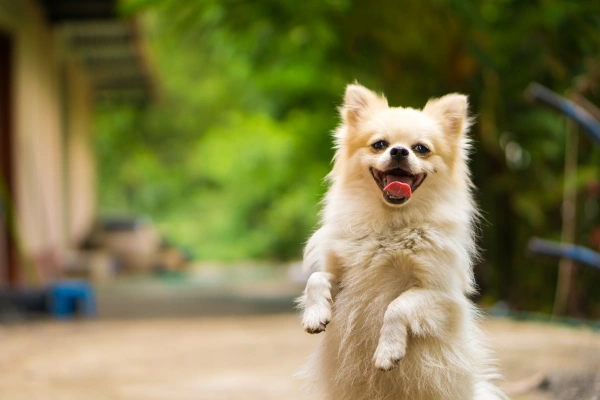
Excess weight is the biggest risk factor for joint pain. It increases pressure on hips, knees, and spine, accelerating wear over time.
Even a small weight gain can:
- Increase joint stress
- Reduce mobility
- Speed up cartilage breakdown
Action Step
- Measure food portions (don’t eyeball)
- Use functional dog treat options instead of high-calorie snacks
- Limit treats to under 10% of daily calories
📌 Pro Tip
Lean dogs live longer and move better. You should be able to feel ribs easily without pressing hard.
2. Daily Low-Impact Movement
Why It Matters
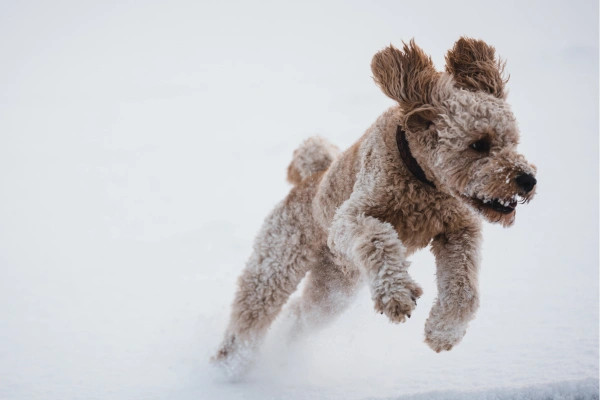
Joints need consistent movement to stay lubricated and strong.
Too little activity leads to:
- Stiffness
- Muscle loss
- Reduced joint support
Action Step
Focus on:
- Daily walks (not just backyard time)
- Sniff-based walks (slow, enriching, low impact)
- Light play sessions
Avoid excessive jumping, especially in small or aging dogs.
📌 Pro Tip
Consistency beats intensity. A daily 20-minute walk is better than one long weekend outing.
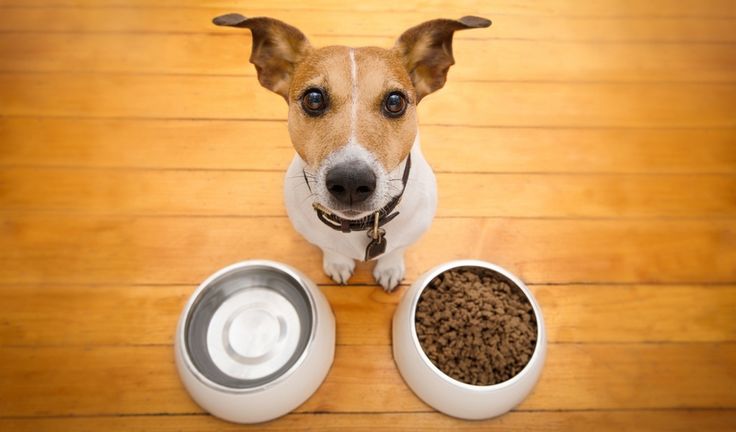
3. Support Joints Through Nutrition
Why It Matters
What your dog eats directly affects inflammation and joint health.
Modern vet recommendations include:
- Omega-3 fatty acids
- Natural anti-inflammatory foods
- Joint-support nutrients
Action Step
Add:
- Fish oil (in vet-approved amounts)
- Whole food ingredients like sardines or eggs
- A high-quality functional dog treat with joint-support ingredients
📌 Pro Tip
Look for treats with glucosamine, chondroitin, or turmeric for long-term support.
4. Prioritize Hydration Support
Why It Matters
Hydration plays a bigger role in joint health than most owners realize. Joint cartilage depends on proper hydration to stay flexible and cushioned.
Dehydration can lead to:
- Reduced joint lubrication
- Increased stiffness
- Slower recovery after activity
Action Step
- Always provide fresh, clean water
- Add moisture-rich foods (like fresh meals or broth)
- Include hydration support snacks like cucumber or wet food toppers
📌 Pro Tip
Dogs on dry kibble diets often benefit the most from added hydration.
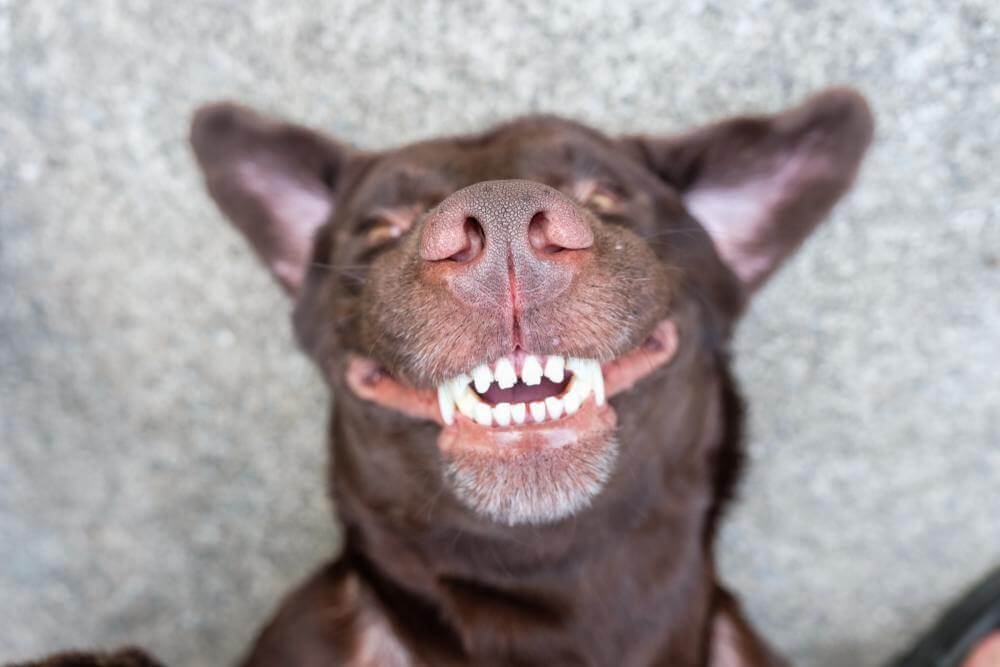
5. Don’t Ignore Dog Dental Hygiene
Why It Matters
This might sound unrelated—but it’s not.
Poor dog dental hygiene can lead to chronic inflammation, which affects the entire body—including joints.
Oral bacteria can:
- Enter the bloodstream
- Increase systemic inflammation
- Worsen joint discomfort over time
Action Step
- Brush your dog’s teeth regularly
- Use dental chews (low-tox options)
- Schedule routine vet dental checks
📌 Pro Tip
Healthy mouth = lower inflammation = healthier joints.
Quick Daily Checklist (Save This)
To protect your dog’s joints every day:
- Maintain a healthy weight
- Provide daily low-impact exercise
- Use a functional dog treat for joint support
- Focus on proper hydration support
- Stay consistent with dog dental hygiene
Small habits = long-term mobility.
Final Thoughts
Joint pain doesn’t start when your dog gets older—it starts with daily habits years earlier. By focusing on weight, movement, nutrition, hydration, and dental health, you can reduce inflammation and protect your dog’s joints naturally.
Start with just one habit today, and build from there. Your dog’s future mobility depends on it. 🐾