Let’s be honest—cats are adorable, mysterious little beings with minds of their own. One moment, they’re purring in your lap; the next, they’re dodging your arms like you’re the villain in their story. If you’ve ever reached down to scoop up your fluffy companion only to be met with squirming, growling, or a dramatic escape, you’re not alone.
Many cat parents feel confused or even rejected when their furry friend recoils from a cuddle. But here’s the truth: your cat doesn’t hate you. It’s not personal. It’s instinctual, emotional, and sometimes even physical. The key is understanding why.
In this article, we’re diving into the real reasons your cat hates being picked up—and trust us, it’s not just because they’re “moody.” From evolutionary behaviors to health concerns, we’ll unpack it all. Plus, you’ll learn how to make your cat feel more comfortable, respected, and maybe (just maybe) willing to stay in your arms for more than 3 seconds.
Ready to decode your cat’s behavior? Keep reading—you’re about to get a whole new level of insight into that mysterious feline mind.
1. It Feels Like a Loss of Control
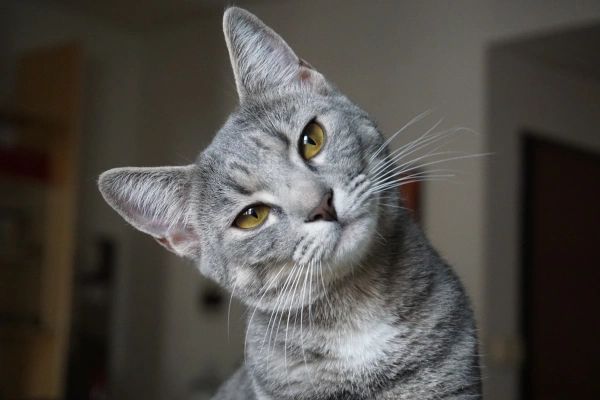
Cats are naturally independent animals. Being lifted off the ground takes away their sense of control and security. Imagine someone suddenly picking you up—without warning! It’s unsettling, right? That’s exactly how your cat feels.
What to do instead: Let your cat come to you on her terms. Offer your lap or a cozy blanket as a gentle alternative.
2. Your Cat Feels Trapped
When you wrap your arms around a cat and lift, it might feel like a predator’s grip. This triggers your cat’s fight-or-flight instinct. That’s especially true if the hold is tight or abrupt.
Tip: Always approach from the side, not from above, and keep your movements slow and gentle.
3. Your Timing May Be Off
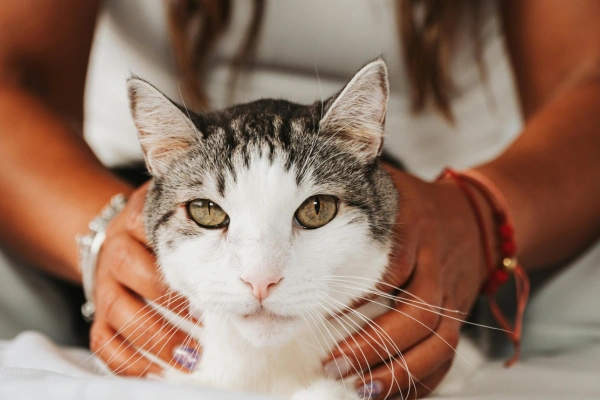
Just like us, cats have moods. If your cat is in play or hunting mode—or deep in nap land—they’re not going to want to be scooped up mid-activity.
Try this: Wait for calmer moments, like after mealtime or during a relaxed lounging session, to offer affection.
4. Bad Past Experiences
If your cat was handled roughly or forced into uncomfortable situations in the past (vet visits, grooming, etc.), she may associate being picked up with fear or stress.
How to help: Use treats, praise, and a soft voice to create a positive association with handling over time.
5. Some Breeds Just Don’t Like It
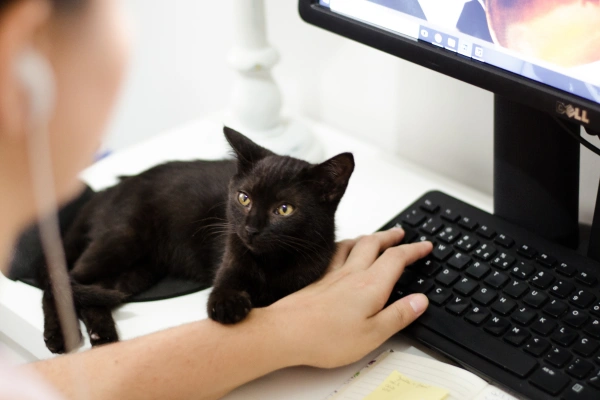
Personality plays a big role. Breeds like Ragdolls or Maine Coons may tolerate cuddles more easily. But others—like Bengals or Abyssinians—often prefer interactions on the ground.
Know your cat: Respect their breed tendencies and focus on the ways they enjoy bonding.
6. Health Issues Can Make It Uncomfortable
If your cat suddenly starts resisting being picked up, pain could be the reason. Arthritis, injuries, or even digestive discomfort might make being held painful.
Always check with your vet if your cat’s behavior changes suddenly.
7. You Might Be Doing It Wrong (Sorry!)

Yes, there is a “right” way to pick up a cat. Lifting without supporting the hind legs or holding too tightly can be uncomfortable or scary.
The proper technique:
- One hand under the chest
- One hand under the hindquarters
- Hold close to your body for security
8. Cats Prefer to Be in Charge of Physical Contact
To a cat, physical affection is a negotiation—not a demand. They prefer to choose when and how they interact.
Instead of lifting:
- Sit quietly and extend a finger
- Let them sniff and approach
- Give slow, gentle pets behind the ears or under the chin
9. Cats Communicate Boundaries Differently Than Dogs
Unlike dogs who often seek touch, cats are more subtle. Tail flicking, flattened ears, or a stiff body means “no thanks.” Ignoring these signs can lead to a clawed reminder.
Learn the signs and respect their boundaries to build trust.
10. There Are Better Ways to Bond With Your Cat
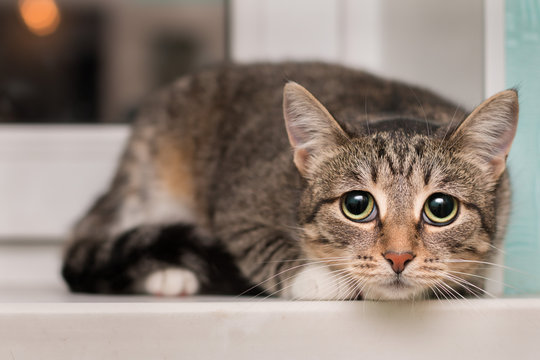
Good news—you don’t have to pick up your cat to show love! Cats appreciate:
- Play sessions with toys
- Grooming with a soft brush
- Quiet companionship (just being near you)
These bonding methods are often preferred over forced snuggles.
Final Thoughts: It’s Not Personal!
If your cat hates being picked up, don’t take it personally. It’s not a rejection—it’s just a preference. By tuning into your cat’s comfort level and adjusting how you show affection, you’ll build a stronger, happier relationship.
Remember: The best way to love a cat is to respect her space—she’ll love you more for it.