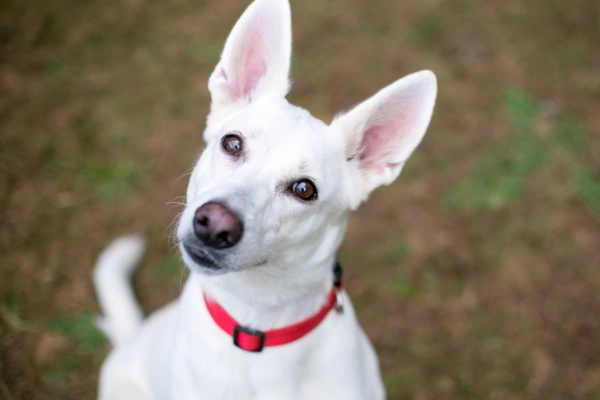
Have you ever noticed your dog cocking its head to one side while you talk or hold a treat? It’s one of those adorable quirks that makes dog owners stop in their tracks, melt a little, and snap a photo for the ‘gram. But here’s the thing — that head tilt isn’t just cute; it’s a fascinating window into how dogs think and perceive the world. In this article, we’ll explore why dogs tilt their heads, the science behind it, and what it reveals about your furry friend’s emotions and intelligence. Stick around — by the end, you’ll never look at that endearing tilt the same way again!
Section 1: What Exactly Is the Head Tilt?
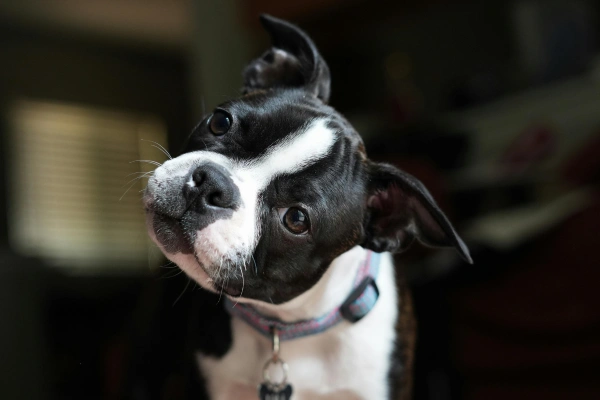
Dogs tilt their heads when they hear something unusual, see something intriguing, or want to understand better what you’re communicating.
- Curiosity in action: The tilt is often triggered when dogs are trying to locate the source of a sound. Their ears adjust to capture the tiniest nuances.
- Visual clarity: Sometimes, dogs tilt their head to see better, especially breeds with long snouts. It allows them to adjust their line of sight.
- Emotional connection: Dogs are social animals. That tilt can also indicate attentiveness or empathy toward their owner.
Section 2: Scientific Insights Behind the Tilt
Researchers have studied this charming behavior for years. Studies suggest:
- Auditory advantage: Tilting helps align both ears to pinpoint sound more accurately.
- Brain processing: It engages both hemispheres of the brain, helping your dog process complex signals.
- Human-dog communication: Dogs have evolved to respond to our social cues. The tilt may help them interpret our tone, gestures, or facial expressions.
Section 3: Emotional Significance
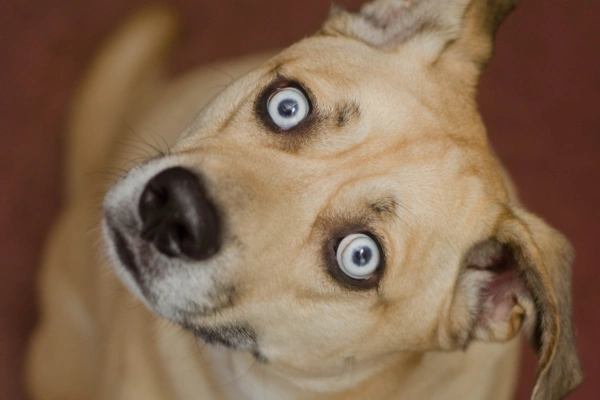
Dogs don’t just tilt their heads mechanically — there’s emotion behind it:
- Empathy: Studies show dogs can sense human emotions, including happiness, sadness, and stress.
- Attention-seeking: Sometimes, it’s a way to get your attention (and yes, maybe a treat!).
- Playfulness: It often occurs during play or training sessions, signaling excitement or engagement.
Pro Tip: Combine a tilt with positive reinforcement to strengthen bonding and training outcomes.
Section 4: How to Encourage Healthy Head Tilting
If you love seeing your dog tilt its head, you can encourage this behavior safely:
- Talk to your dog using different tones – curiosity triggers the tilt.
- Use high-pitched or unusual sounds – squeaky toys, claps, or clicks can prompt tilting.
- Training with treats – reward your dog when it tilts naturally.
Tip: Never force your dog to tilt; it should be spontaneous for comfort and safety.
Section 5: What the Tilt Reveals About Your Dog’s Personality
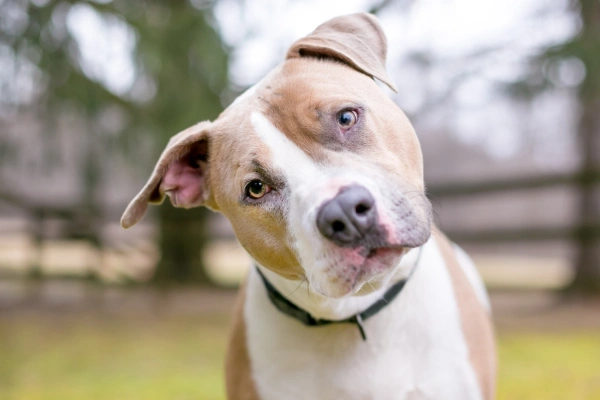
Every dog is unique, and the way they tilt their head may indicate personality traits:
- Curious dogs: Tilts often appear during exploration or learning new commands.
- Empathetic dogs: Often notice subtle emotional cues from their owners.
- Intelligent dogs: Can solve problems faster and use body language effectively.
Section 6: Fun Facts About Head Tilting Dogs
- Some breeds tilt more often due to facial structure (Cocker Spaniels, Poodles, Beagles).
- Dogs in videos with head tilts get 3x more shares on social media.
- Puppies start tilting their heads as early as 3–4 weeks when they begin responding to sounds.
Section 7: Common Misconceptions
- Not always hearing-related: Sometimes, dogs tilt their head just because they’re curious or playful.
- Not always cute: If accompanied by loss of balance, it could indicate ear infections — always check with your vet.
- It’s not manipulation: Dogs don’t tilt heads to “trick” you; it’s natural communication.
Conclusion
Next time your dog tilts its head, don’t just snap a photo — notice what they might be feeling, thinking, or trying to understand. It’s a mix of curiosity, intelligence, and emotional connection — a small gesture that speaks volumes about your bond.