Dogs can’t tell us when they’re thirsty, and unlike humans, they rarely drink water just because it’s available. This means mild dehydration can sneak up on them—and you might not notice it until your furry friend starts showing subtle signs of discomfort.
Even a small drop in fluid levels can affect your dog’s energy, mood, and overall health. Catching mild dehydration early is crucial. The good news is that with a little observation and knowledge, you can spot the signs before it becomes a serious problem.
In this article, we’ll cover the most common indicators of mild dehydration, simple ways to check your dog at home, and practical tips to keep your dog hydrated and happy every day.
1. Sticky or Dry Gums
One of the first signs of mild dehydration is dry or sticky gums. Normally, a dog’s gums should feel moist and slippery. If you notice that your dog’s gums feel tacky, it’s a signal that their body needs more fluids.
Quick check: Press your finger gently against the gums and release. If the color returns slowly or the gum feels sticky, it could mean your dog is mildly dehydrated.
2. Slight Loss of Energy
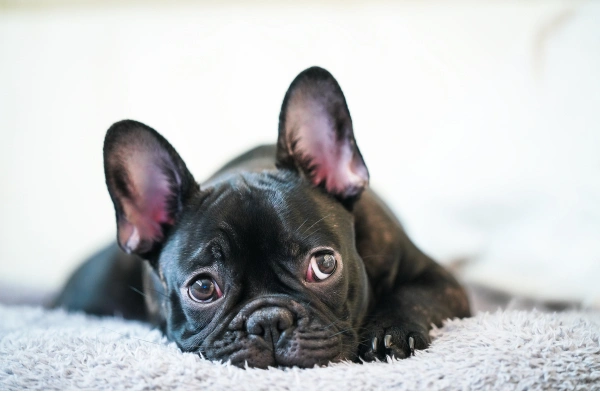
Even mild dehydration can affect your dog’s energy levels. You might notice your dog seems less playful or slower to respond than usual.
- They may take longer naps
- Be reluctant to go for walks
- Avoid activities they normally enjoy
This subtle drop in energy is often the first clue, so it’s important to watch your dog’s behavior daily.
3. Increased Thirst
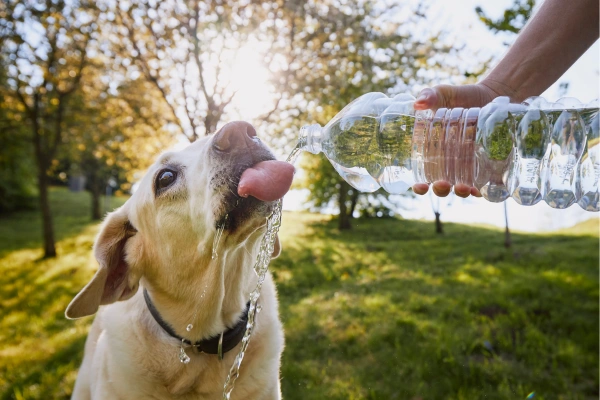
Sometimes dehydration shows itself in the form of unusual thirst. Your dog may drink more water than normal or seek water from unusual places, like sinks or puddles.
While occasional extra drinking is normal after exercise or on hot days, persistent increased thirst can indicate mild dehydration. Track changes in water intake over a few days to identify patterns.
4. Slightly Sunken or Dull Eyes
Mild dehydration can make your dog’s eyes appear a bit sunken or less lively. They may lose the usual sparkle that healthy dogs have, and the area around the eyes can look tighter than usual.
This sign is subtle but becomes noticeable once you’re familiar with your dog’s normal expression.
5. Reduced Skin Elasticity
The skin elasticity test is a simple at-home check for dehydration:
- Gently lift the skin on your dog’s back or neck
- Release and watch how quickly it returns to its original position
If the skin snaps back slowly or remains tented for a few seconds, mild dehydration may be present. Puppies and older dogs often show this sign more clearly.
6. Slightly Dry or Warm Nose
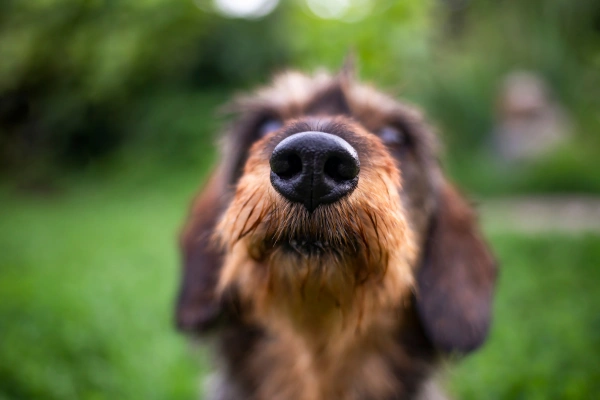
A dry nose alone isn’t always a concern, but in combination with other signs, it may point to dehydration. Mild dehydration can make the nose feel less moist and warmer than usual.
Keep in mind that a dog’s nose can naturally change moisture throughout the day, so observe patterns rather than single instances.
7. Mild Behavioral Changes
Dogs may show slight irritability, restlessness, or clinginess when mildly dehydrated. They might pace, refuse to lie down comfortably, or act anxious.
This is often an early behavioral signal that something is off, and combined with physical signs, it helps identify mild dehydration quickly.
8. Minor Digestive Issues
Sometimes, mild dehydration can subtly affect digestion. You might notice:
- Slight constipation or firmer stools
- Occasional dry mouth after eating
These minor digestive changes often appear before more severe symptoms and are easy to address with proper hydration.
How to Keep Your Dog Properly Hydrated
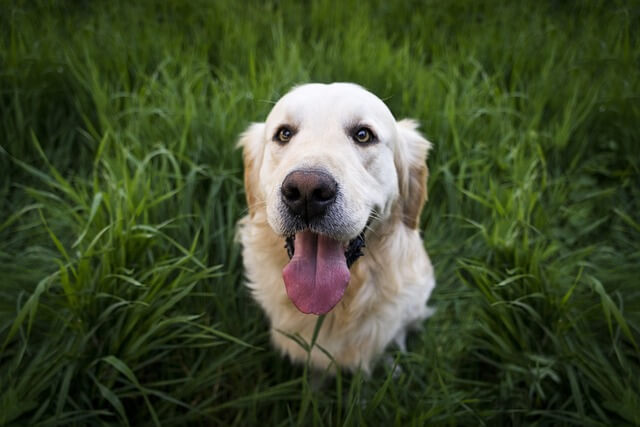
Preventing mild dehydration is simpler than treating it. Here’s what works best:
- Always provide fresh water in an accessible bowl
- Offer water after walks, play sessions, or exposure to heat
- Add moisture to dry food by mixing in water or broth
- Monitor older dogs or dogs with health conditions more closely
- Consider portable water bottles for long walks or travel
When to See a Vet
Mild dehydration is often easy to manage at home, but seek veterinary advice if your dog shows:
- Persistent lethargy or unusual weakness
- Rapid breathing or panting without exercise
- Vomiting, diarrhea, or loss of appetite
- Signs that dehydration is worsening despite water intake
The Takeaway
Mild dehydration in dogs is common but often overlooked. By paying attention to subtle signs like sticky gums, dull eyes, slight lethargy, and behavioral changes, you can act early to keep your dog healthy and comfortable.
Water is simple, free, and the most effective way to prevent dehydration. Make hydration a part of your dog’s daily routine, and you’ll help them stay happy, active, and healthy for years to come.