As dogs age, their needs change in ways that aren’t always obvious. A senior dog may still wag their tail, follow you around, and act “fine,” but inside their body and mind are slowing down. What once felt harmless or normal can quietly cause discomfort, anxiety, or even serious health issues.
Many well-meaning owners unintentionally make mistakes that reduce a senior dog’s quality of life—not out of neglect, but out of habit. Understanding what not to do is just as important as knowing what to do.
Here are 10 things you should never do to a senior dog—and what to do instead.
1. Never Ignore Subtle Changes in Behavior
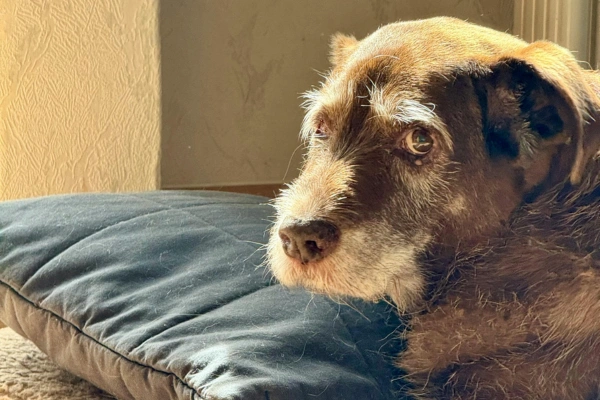
In senior dogs, small behavior changes are often the first sign of pain or illness.
Why it matters: Older dogs don’t always cry or limp when something is wrong. They may simply sleep more, move slower, or withdraw emotionally.
Warning signs:
- Less interest in walks or play
- Changes in appetite or sleep
- Increased irritability or clinginess
Do instead: Treat any persistent change as meaningful. Early vet visits can prevent serious decline and extend your dog’s comfort and lifespan.
2. Never Push Them to Exercise Like They’re Young
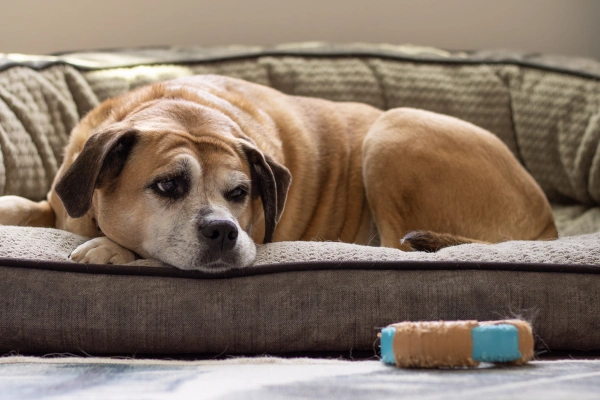
Exercise is still essential—but forcing a senior dog to keep up with past activity levels can cause joint damage and exhaustion.
Why it matters: Aging joints, reduced muscle mass, and arthritis make overexertion painful.
Common mistake: Long walks, intense fetch, or rough play without rest.
Do instead:
- Shorter, more frequent walks
- Gentle play
- Low-impact activities like sniff walks or swimming
3. Never Skip Regular Vet Checkups
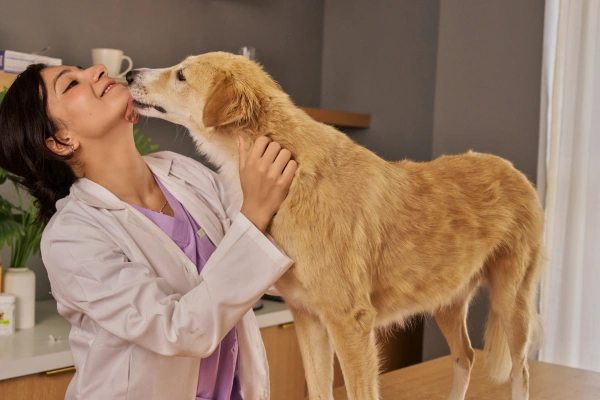
Senior dogs require more monitoring—not less.
Why it matters: Many age-related conditions (kidney disease, heart issues, arthritis, cancer) develop silently.
Do instead:
- Schedule vet visits every 6 months
- Request senior blood panels
- Monitor weight, teeth, and mobility
Preventive care often means less suffering—and lower long-term costs.
4. Never Ignore Dental Health
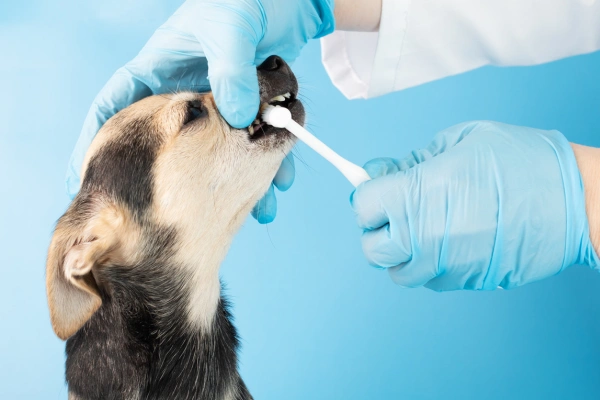
Dental pain is one of the most overlooked issues in senior dogs.
Why it matters: Infected teeth and gums can lead to heart, liver, and kidney problems.
Signs of dental pain:
- Dropping food
- Bad breath
- Chewing on one side
Do instead:
- Use senior-safe dental chews
- Brush teeth gently if tolerated
- Ask your vet about professional cleanings
5. Never Assume Accidents Are “Just Old Age”
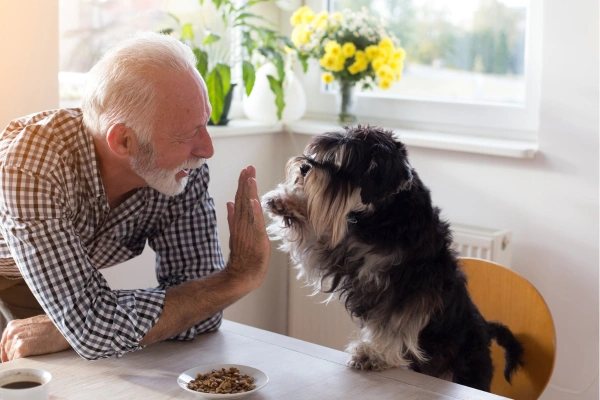
Indoor accidents are often blamed on aging—but they usually signal something deeper.
Possible causes:
- Urinary tract infections
- Kidney disease
- Cognitive dysfunction
Do instead: Have accidents evaluated medically. Never scold—your dog isn’t being stubborn.
6. Never Change Their Diet Abruptly
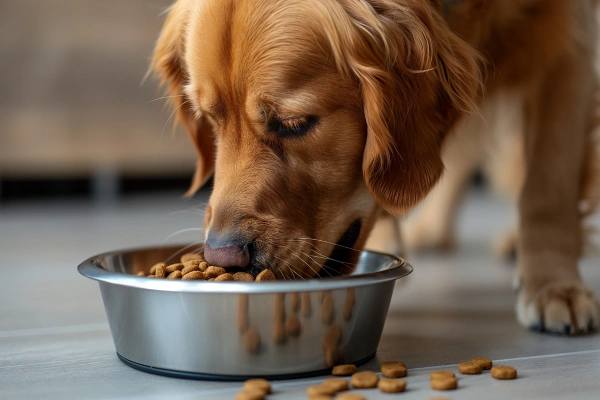
Senior digestive systems are more sensitive.
Why it matters: Sudden diet changes can cause vomiting, diarrhea, and nutrient absorption issues.
Do instead:
- Transition food gradually over 7–10 days
- Choose senior-formulated diets
- Discuss supplements like omega-3s or joint support with your vet
7. Never Leave Them Isolated for Long Periods
Senior dogs often become more emotionally dependent.
Why it matters: Isolation can increase anxiety, confusion, and depression—especially in dogs experiencing cognitive decline.
Signs of emotional distress:
- Whining
- Pacing
- Increased sleeping during the day
Do instead:
- Increase gentle interaction
- Keep routines consistent
- Offer comfort, not independence training
8. Never Dismiss Signs of Pain
Dogs instinctively hide pain.
Subtle pain signals:
- Licking joints
- Stiffness after rest
- Reluctance to climb stairs
Do instead: Work with your vet on pain management options such as joint supplements, physical therapy, or medication when needed.
9. Never Remove Their Mental Stimulation
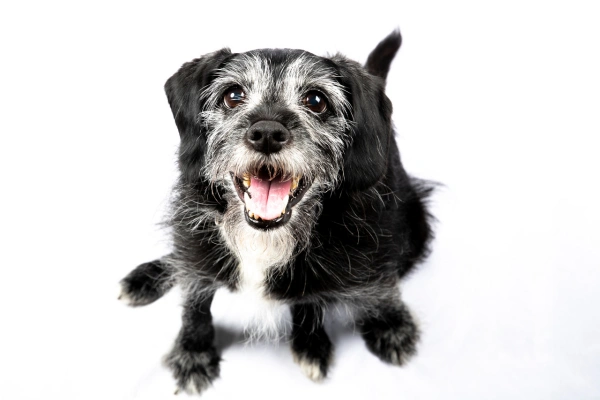
Mental decline accelerates when dogs are understimulated.
Why it matters: Senior dogs still need purpose and engagement.
Do instead:
- Gentle training refreshers
- Puzzle feeders
- Scent-based games
Mental activity helps slow cognitive aging and improves mood.
10. Never Withhold Affection Because They’ve “Changed”
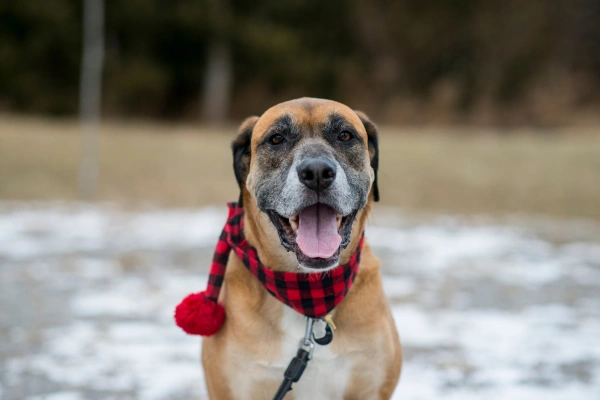
Senior dogs may move slower, sleep more, or need extra help—but their emotional needs are stronger than ever.
Why it matters: Your dog may sense their own decline and rely on you for reassurance.
Do instead:
- Speak gently
- Offer calm physical affection
- Be patient with limitations
To your senior dog, you are safety, familiarity, and comfort.
Final Thoughts
A senior dog’s golden years should be filled with dignity, comfort, and love—not frustration or misunderstanding. Avoiding these 10 common mistakes can dramatically improve your dog’s emotional well-being and physical comfort.
Aging doesn’t mean decline—it means care must change. And when it does, senior dogs often become the most deeply bonded companions you’ll ever know.