Cats are often described as independent, aloof, or mysterious. Many owners assume that cats simply don’t bond the same way dogs do. But that assumption is not only incomplete — it’s wrong.
Cats form deep emotional bonds with humans. They just do it differently. And here’s the truth most people never hear:
👉 The one thing that truly builds a strong bond with your cat is learning to communicate on their terms — by respecting and responding to their signals consistently.
Not treats. Not forcing cuddles. Not expensive toys.
Real bonding happens when your cat feels understood, safe, and in control.
Let’s break this down clearly.
Why Many Cat Owners Struggle to Bond (Without Realizing It)

Most bonding problems don’t come from neglect. They come from miscommunication.
Humans show affection in human ways:
- Touch
- Eye contact
- Physical closeness
- Talking
Cats show affection in subtle, quiet, non-human ways:
- Slow blinking
- Sitting nearby (not on you)
- Following you silently
- Sleeping in the same room
- Gentle head bumps
- Tail positions and ear movements
When owners miss these signals, cats may feel ignored or misunderstood — even if they’re well cared for.
The ONE Thing That Changes Everything: Learning and Respecting Cat Communication
Bonding with a cat isn’t about making them adapt to you. It’s about adapting to them.
Cats bond strongest with humans who:
- Notice their body language
- Respect boundaries
- Respond consistently
- Never force interaction
This creates trust, and trust is the foundation of all cat bonding.
How Cats Communicate Affection (That Many Owners Miss)

1. Slow Blinking = Trust
When your cat looks at you and slowly closes their eyes, they’re saying:
“I feel safe with you.”
Returning a slow blink is one of the most powerful bonding gestures you can make. It mimics cat-to-cat trust behavior.
2. Sitting Near You Is Affection
If your cat chooses to sit on the same couch, chair, or bed — even without touching — that is bonding.
Cats are vulnerable when they rest. Choosing to rest near you means:
- They trust you
- They see you as safe territory
Forcing lap time can damage that trust.
3. Head Bumps and Cheek Rubbing
These behaviors deposit scent from glands on their face. It’s how cats say:
“You belong to my safe group.”
Ignoring this moment or pushing the cat away can confuse them emotionally.
Why Forcing Affection Backfires

Many well-meaning owners:
- Pick cats up too often
- Hold them when they want to leave
- Pet through warning signs
- Chase them for cuddles
To humans, this feels loving. To cats, it feels like loss of control.
Cats bond through choice, not submission.
When a cat knows they can leave anytime — they’re more likely to stay.
The Science Behind Cat Bonding
Studies in animal behavior show that cats:
- Form attachment styles similar to human children
- Experience stress when boundaries are ignored
- Bond more strongly with predictable, calm humans
Cats don’t need constant attention. They need consistent emotional safety.
The Power of Predictable, Calm Interaction
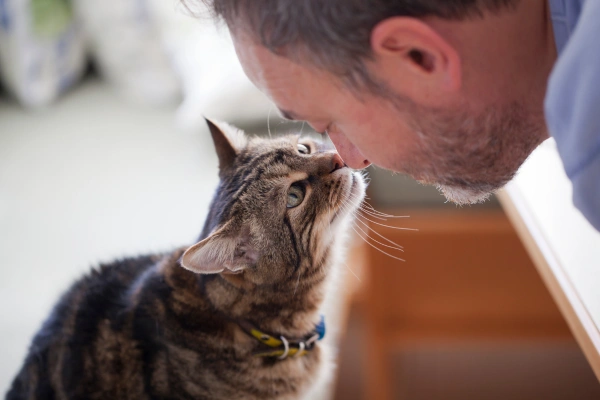
Cats feel secure when they can predict your behavior.
This means:
- Feeding around the same times
- Speaking calmly
- Avoiding sudden movements
- Letting them initiate contact
Consistency builds trust faster than affection alone.
How to Actively Bond With Your Cat (Without Forcing It)

1. Let Your Cat Come to You
Sit quietly. Avoid staring. Stay relaxed.
When your cat approaches, acknowledge them gently — but don’t overwhelm them.
This teaches:
“You control closeness. I respect that.”
2. Learn Their “Stop” Signals
Cats always warn before they withdraw or lash out:
- Tail flicking
- Ears rotating sideways or back
- Skin rippling
- Sudden stillness
Stopping before the cat disengages builds massive trust.
3. Match Energy Levels
High-energy humans can overwhelm sensitive cats.
Move slower. Speak softer. Breathe calmly.
Cats mirror emotional energy more than people realize.
Play Is a Bonding Language (Not Just Exercise)

Play is one of the few times cats:
- Fully engage
- Express instinct
- Release stress
Interactive play (wand toys, feather toys) simulates hunting — something cats associate with confidence and safety.
End play sessions with:
- Calm petting (if welcomed)
- Food or rest
This completes the natural hunt-eat-rest cycle and strengthens emotional connection.
Why Ignoring a Cat Sometimes Builds More Bonding
This sounds counterintuitive, but it’s true.
Cats are drawn to:
- Calm
- Non-threatening presence
- People who don’t pressure them
That’s why cats often sit with guests who “don’t like cats.”
Those guests aren’t ignoring signals — they’re simply not overwhelming them.
Bonding Looks Different for Every Cat

Some cats:
- Love lap time
- Sleep on your chest
- Follow you everywhere
Others:
- Stay nearby
- Show affection quietly
- Avoid physical contact
Both styles are valid.
The goal is not to change your cat’s personality — It’s to make them feel emotionally secure in who they are.
Signs You’re Truly Bonded With Your Cat
A strong bond often shows up as:
- Your cat choosing to be near you
- Relaxed body language around you
- Sleeping in the same room
- Grooming near you
- Responding to your voice
- Following your daily routine
These behaviors indicate attachment, not independence.
What Breaks Bonding Without Owners Realizing
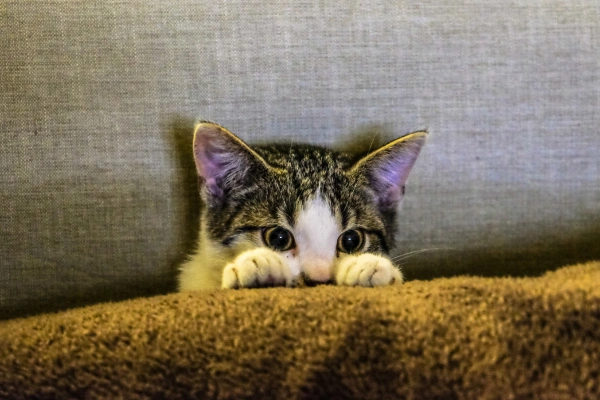
Common mistakes:
- Punishment or yelling
- Ignoring fear responses
- Forcing interactions
- Inconsistent routines
- Stressful handling
Cats remember negative emotional experiences strongly. One bad interaction can undo many good ones.
The Truth About Cat Love
Cats don’t love loudly. They love deeply and selectively.
When a cat bonds with you, they are choosing you — every day.
That bond grows strongest when you:
- Listen instead of demand
- Observe instead of assume
- Respect instead of control
Final Takeaway
The ONE thing all owners must do to bond with their cats is simple — but powerful:
Learn your cat’s language and respond with respect and consistency.
When a cat feels understood, safe, and in control, affection follows naturally.
Not because you asked for it — But because your cat wants to give it.