Have you ever looked into your dog’s eyes and felt like they just get you? Maybe you were sad, stressed, or excited, and your dog responded in a way that made you stop and think, “Wow, they know exactly how I feel.” Dogs are incredibly attuned to our emotions, and science is now proving that this connection is deeper than we ever imagined. In this article, we’ll explore the fascinating signs that show your dog really understands your feelings, why it matters, and how you can strengthen this emotional bond.
1. They Mirror Your Emotions

One of the most obvious signs that your dog understands you is when they mirror your mood.
- Calmness breeds calmness: If you’re relaxed, your dog often settles down too.
- Excitement triggers excitement: Dogs pick up on happy energy and might wag their tails, bounce, or vocalize in response.
- Stress or sadness: Some dogs become clingy, nuzzle, or sit close when they sense tension or sadness.
This mirroring isn’t just cute — it shows that your dog is reading subtle signals in your body language and tone.
2. They Respond to Your Facial Expressions
Dogs are surprisingly good at recognizing human facial expressions. Studies show that they can distinguish between happy, angry, or sad faces.
- If you frown or look upset, some dogs will approach cautiously or try to comfort you.
- When you smile or laugh, many dogs will mimic excitement with tail wags or playful behaviors.
- Some breeds, like Labradors and Golden Retrievers, are especially skilled at reading expressions.
3. They React to Your Voice

Tone of voice matters more than the actual words. Dogs can detect subtle changes in pitch, volume, and emotion.
- Soothing tones: Calm your dog when they are anxious.
- High-pitched excitement: Signals playtime or treats.
- Angry or sharp tones: They often respond with submissive gestures or pause their behavior.
This ability to interpret vocal cues shows emotional intelligence that mirrors social interactions between humans.
4. They Know When to Comfort You
Some dogs seem to have an instinct for emotional support. Signs include:
- Sitting close to you or resting their head on your lap.
- Licking your hands or face gently.
- Nudging you or pawing softly to gain your attention.
These behaviors are not random. Dogs are sensitive to your physical cues, breathing, and posture, and they respond in ways designed to comfort you.
5. They Adjust Their Behavior Based on Your Mood
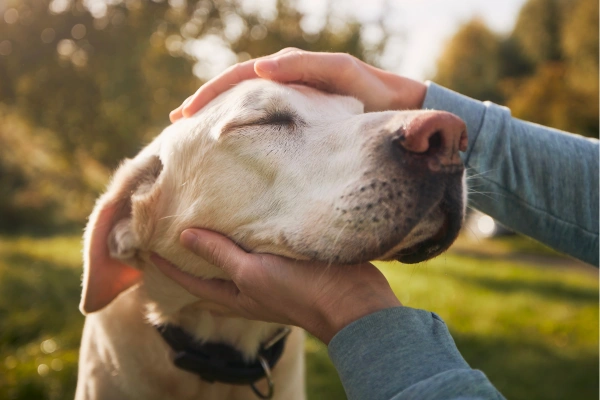
Dogs often change how they act depending on how you feel:
- Quiet and gentle: When you’re sad or stressed.
- Playful and energetic: When you’re happy or excited.
- Patient and attentive: During moments when you’re focused or serious.
This shows that dogs are capable of adjusting their behavior socially, much like we do with close friends or family members.
6. Signs of Anxiety When You’re Upset
It’s not just affection — some dogs display empathy by mirroring your anxiety:
- Pacing or whining if you’re stressed.
- Restlessness or nudging if you’re upset.
- Following you closely around the house.
Recognizing this helps you understand your dog’s own emotional health. A calm routine and positive reinforcement can reduce their stress response.
7. They Learn From Your Reactions

Dogs pay attention to cause and effect in human emotions. For example:
- If you consistently reward calm behavior when you’re happy, they learn to act accordingly.
- They may anticipate your feelings based on routine cues, like your body language when returning from work or preparing their meals.
This shows not only emotional awareness but also intelligence and social learning ability.
8. Strengthening the Emotional Bond
You can enhance your dog’s ability to read your emotions:
- Spend quality time together — play, walks, and cuddle sessions increase emotional connection.
- Practice calm communication — avoid yelling; dogs respond better to consistent tones.
- Use body language consciously — dogs read gestures more than words.
- Positive reinforcement — reward behaviors that match your emotional cues.
A strong bond benefits both you and your dog, improving mental health and overall happiness.
9. Fun Facts About Dogs and Emotional Intelligence
- Dogs can sense sadness and may even mirror cortisol levels in humans.
- Some dogs will react differently to each family member based on observed emotions.
- Dogs have evolved alongside humans for thousands of years, fine-tuning their ability to read and respond to us.
Your dog isn’t just following commands or being cute — they’re reading your emotions, responding to your energy, and connecting with you on a level that many humans can’t even achieve. The next time your dog cuddles up when you’re sad or jumps in excitement when you laugh, remember — it’s more than affection. It’s emotional intelligence in action, and it’s one of the many reasons why dogs truly are our best friends.