Bringing home a new kitten is exciting—you imagine playful pounces, tiny meows, and lots of cuddles. But instead of bounding into your arms, many kittens vanish the second they step into their new home. Under the bed, behind the couch, inside the closet—you name it, they’ve found it.
If your new kitten is hiding, don’t panic. This is normal behavior for cats adjusting to a brand-new environment. While it may feel frustrating not being able to connect with your little one right away, patience and the right strategies can help your kitten feel safe enough to come out.
In this article, we’ll walk through 5 tips to uncover your kitten’s secret hiding spots and gently encourage them to explore the world outside.
Why Do Kittens Hide?
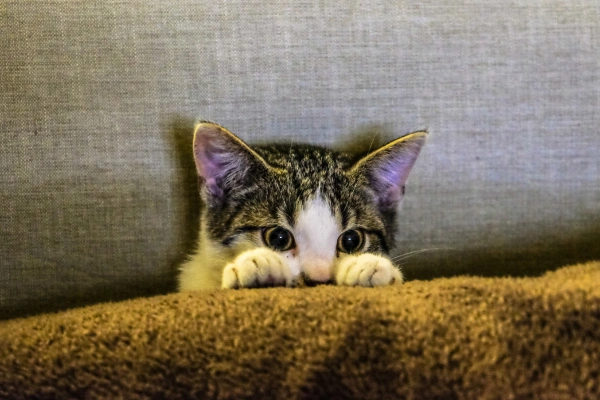
Before diving into the tips, it’s important to understand why your kitten is hiding in the first place.
- Instincts: Cats are naturally cautious creatures. A new environment makes them feel vulnerable, so hiding helps them feel secure.
- Stress and Anxiety: Strange smells, loud noises, or unfamiliar people can overwhelm a kitten.
- Adjustment Period: Kittens need time to get used to your home’s sights, sounds, and scents.
- Shyness: Some kittens are simply more timid than others, especially if they were not well socialized early on.
By respecting these natural instincts, you’ll build trust faster. Now let’s get into the step-by-step tips to help your kitten feel at home.
1. Start With a Safe Room
Instead of giving your kitten full access to the entire house right away, set up one small, kitten-proofed room where they can settle in. This could be a bedroom, bathroom, or even a quiet office space.
What to include in the safe room:
- A cozy bed or soft blanket.
- A litter box placed far from food and water.
- Toys for stimulation.
- A scratching post for comfort and exercise.
- A few hiding spots, like a cardboard box or a covered cat bed.
This helps your kitten feel less overwhelmed. Once they’re comfortable in one space, you can gradually let them explore other areas of your home.
Pro Tip: Sit in the safe room quietly and let your kitten come to you on their own terms. Avoid reaching under furniture to grab them—that only increases fear.
2. Follow the Clues to Their Favorite Hiding Spots
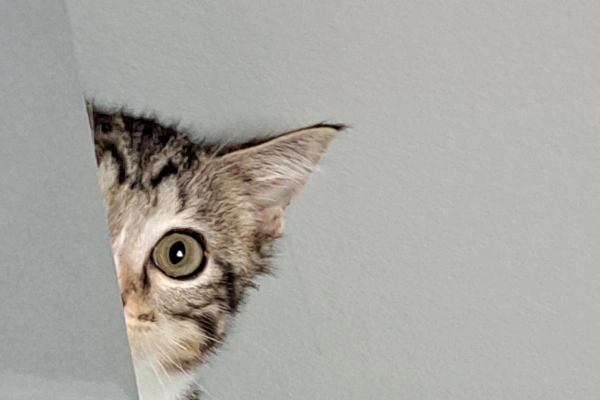
Cats are masters of stealth. If your kitten has disappeared, pay attention to patterns:
- Warmth: Many kittens seek out cozy hiding places near warm appliances, blankets, or heaters.
- Height: Some prefer high perches like bookshelves, while others squeeze into low spaces under furniture.
- Quietness: Look in dark, quiet corners away from heavy foot traffic.
Common hiding places include:
- Under beds or couches.
- Behind curtains.
- Inside closets or laundry baskets.
- Behind appliances (make sure it’s safe).
Tip: Use a flashlight to check small spaces, but avoid loud noises or sudden movements while searching.
3. Encourage Exploration With Scents and Sounds
Kittens rely heavily on their senses, so use positive scents and sounds to gently lure them out.
- Familiar Smells: Place a piece of clothing with your scent near their hiding spot to help them recognize you as safe.
- Food and Treats: Use wet food, tuna, or treats to tempt them to come out. Place the food a few feet away, gradually increasing the distance each time.
- Gentle Sounds: Speak in a soft, calm voice. Avoid loud noises, clapping, or calling forcefully. Some kittens respond well to soothing background music or cat-specific calming sounds.
Remember: patience is key. Forcing them out only delays the trust-building process.
4. Play Therapy: Turn Curiosity Into Confidence

Play is one of the best ways to draw a kitten out of hiding and build trust.
- Use wand toys, feather teasers, or laser pointers to engage them from a distance.
- Start playing near their hiding spot—once they pounce, slowly move the toy farther away.
- Reward them with a treat or gentle praise when they come out.
This not only helps with bonding but also channels nervous energy into fun and confidence.
Bonus: Playing before mealtime mimics natural hunting behavior and strengthens your bond.
5. Build Trust Slowly and Respect Their Timeline
Every kitten is unique—some may warm up within hours, while others take weeks. The most important step is to go at your kitten’s pace.
- Sit on the floor at their level, avoiding looming over them.
- Offer your hand for them to sniff but don’t force petting.
- Use slow blinks—a cat’s way of saying, “I trust you.”
- Allow hiding as long as they have safe access to food, water, and the litter box.
Over time, your kitten will learn that you’re not a threat and will start seeking you out.
When to Worry About Hiding
While hiding is normal, there are times when it may signal a health issue. Contact your vet if your kitten is:
- Refusing to eat or drink.
- Avoiding the litter box.
- Excessively lethargic or not responding to stimuli.
- Showing signs of illness like sneezing, diarrhea, or coughing.
A healthy kitten will eventually balance hiding with curiosity, but ongoing reclusion should be checked out.
Final Thoughts
If your new kitten is hiding, remember: it’s not rejection—it’s instinct. By creating a safe environment, following their clues, encouraging play, and earning trust gradually, you’ll soon see your shy little furball blossom into a confident companion.
Patience, love, and consistency are the keys to transforming those secret hiding spots into shared cuddle spots.