Dog owners today are more informed, more tech‑savvy, and more invested in holistic wellness than ever. As pet care evolves, the questions people ask reflect deeper concerns: longevity, mental health, smart tech, and personalization.
Whether you’re a new dog parent or a seasoned pro, these 20 trending questions mirror what owners around the world are worrying about — and what they want to know right now. Let’s dive into them — and provide answers rooted in up‑to‑date research and expert insight.
1. What’s the best diet for my dog in 2026?

Owners increasingly favor “clean” and functional diets: whole foods, minimally processed, with added probiotics, prebiotics, and targeted supplements.
Key tips:
- Choose diets with transparent ingredients
- Include prebiotics / probiotics for gut health
- Work with your vet to balance protein, fat, carbs, and micronutrients
- Be cautious with “fad” diets (e.g. overly restrictive raw or vegan diets) unless properly formulated
2. How can I maintain my dog’s mental health / behavior in a busy world?

As cities get denser and stressors rise, behavioral wellbeing is a top concern.
Practical advice:
- Use daily enrichment (puzzles, scent games, new toys)
- Structure consistent routines (feeding, walks, rest)
- Address separation anxiety proactively
- Consider calming tools (vests, pheromones) under vet guidance
3. Are smart collars and health trackers worth it?

Yes — when used thoughtfully. 2026 is seeing wearable tech become mainstream in pet care.
Benefits:
- Track activity, sleep, stress metrics (if supported)
- Receive alerts about health anomalies
- Geofencing / GPS can prevent lost pets
Caveats:
- Devices complement—not replace—vet care
- Battery life and comfort matter
- Data interpretation should be done with a professional lens
4. How often should I go to the vet — for wellness vs emergencies?
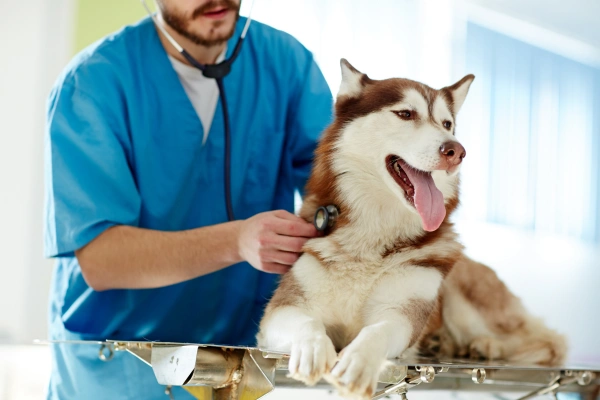
Regular wellness checkups — ideally annual or biannual — are critical. Many health issues (dental disease, joint problems, metabolic disorders) evolve slowly. Early detection is key.
You should also know the emergency signs: sudden lethargy, collapse, uncontrolled bleeding, difficulty breathing, persistent vomiting or diarrhea, seizures, etc.
5. Is pet insurance worth the cost?
With rising veterinary costs, many dog owners are now seeing insurance as a necessity.
Things to watch:
- Coverage type (accident, illness, routine care)
- Waiting periods and exclusions (pre‑existing conditions)
- Annual maximums and reimbursement percentages
6. How can I prevent or manage joint issues and arthritis early?
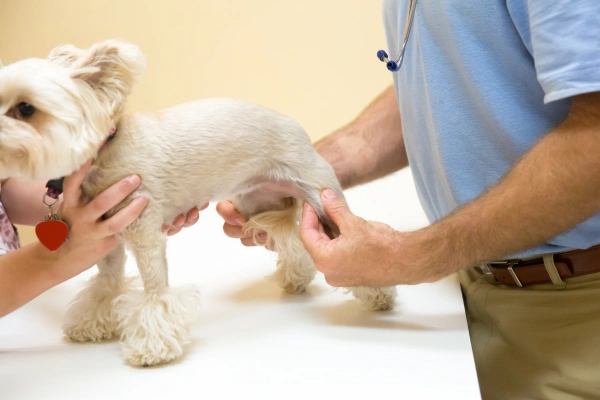
Joint health is a major concern for aging dogs.
Preventive tactics:
- Maintain healthy weight (extra kilos strain joints)
- Provide high-quality omega-3 fats (EPA/DHA)
- Use joint-support supplements (glucosamine, chondroitin, etc.), after vet approval
- Provide low-impact exercise, soft bedding, ramp access
7. Why does my dog get itchy, have skin problems, or shed excessively?
Skin health often reflects internal balance, diet, allergy exposure, or parasites.
Checklist:
- Rule out fleas, mites, ticks
- Evaluate diet: lack of essential fats, food allergens
- Check skin microbiome (some vets now test this)
- Address environmental allergens (dust, pollen, mold)
- Use gentle, pH-balanced grooming products; avoid over-bathing
8. How much exercise does my dog really need — and what kind?
It depends on breed, age, and health. But general guidelines:
- Daily walks or active time (30–60 minutes or more for active breeds)
- Mental exercise counts too: scent work, puzzle toys
- Rest and recovery matter — especially for puppies, seniors, or dogs with health issues
9. What human foods are safe vs dangerous for dogs?
Safe (in moderation): cooked lean meats, carrots, blueberries, pumpkin, plain rice, etc. Dangerous: chocolate, grapes/raisins, onions/garlic, xylitol, macadamia nuts, alcohol, cooked bones, etc.
Whenever in doubt, consult your vet before feeding human food.
10. How do I manage my dog’s weight or obesity?

Obesity is one of the most common pet health issues.
Approach:
- Use precise portion control (weigh food)
- Feed nutrient-dense, lower-calorie diets
- Increase activity (walks, play)
- Monitor progress and adjust slowly (safe weight loss is gradual)
11. Can dogs suffer from anxiety or depression — and how do I help?

Absolutely. Dogs feel stress, loneliness, and anxiety.
Supporting them:
- Build safe, quiet spaces at home
- Use predictable schedules
- Provide mental stimulation
- In severe cases, work with a veterinary behaviorist
- Some may benefit from calming supplements or medications (prescribed by a vet)
12. How do I train a dog to behave better — the humane way?
Modern positive reinforcement training is highly effective:
- Reward desired behaviors (treats, praise, toys)
- Use clicker timing / marker signals
- Avoid harsh punishment or aversive methods
- Be consistent, patient, and adjust techniques as the dog learns
13. How many times a day should I feed my dog — and when?
Common patterns:
- Puppies often require 3–4 small meals per day
- Adult dogs: 2 meals is typical
- Seniors or sensitive dogs may benefit from smaller, more frequent feedings
Spacing meals helps with digestion, energy levels, and hunger management.
14. How do I travel with my dog safely (car, plane, etc.)?
Traveling with dogs has become more common.
Best practices:
- Use airline-approved crates with ventilation, padding
- Ensure vaccinations and health certificates if crossing borders
- Acclimate your dog to travel gear early
- Provide stops, hydration, potty breaks, and shade
- Never leave a dog alone in a parked vehicle
15. When is dental care necessary, and how often should I clean or scale?

Dental health is often overlooked but critical:
- Brush at least 2–3 times per week (daily is ideal) using pet-safe toothpaste
- Provide dental chews / toys (vet-approved)
- Annual or semiannual dental exams & cleanings by a vet (under anesthesia) if needed
- Monitor for bad breath, bleeding, tartar, difficulty chewing
16. How do I identify signs of pain or discomfort in my dog?
Dogs are masters at hiding pain. Look for:
- Changes in posture, gait, limping
- Decreased activity or reluctance to climb/jump
- Excessive licking or bite at a region
- Loss of appetite, irritability, restlessness
- Changes in sleeping pattern
If you see these, consult your vet.
17. Is it okay to groom or bathe my dog frequently — and what products should I use?
Bathing frequency depends on coat type, skin health, and activity. Over-bathing can strip natural oils.
Tips:
- Use gentle, pH-balanced, dog-formulated shampoos
- Conditioners or moisturizing sprays may help in dry climates
- Brush regularly to reduce mats and improve airflow to skin
- Grooming is also a chance to check skin, ears, nails, and overall condition
18. How do I introduce a new pet (dog or other) into a household?

Steps for smoother introductions:
- Use neutral territory for first meetings
- Keep initial interactions calm, on-leash if needed
- Supervise all interactions closely
- Provide individual safe spaces for rest
- Monitor body language and separate if tension arises
- Gradually increase supervised time together
19. What happens when my dog ages — how do I adapt care?
Senior dogs have different needs:
- Diet: lower calorie, more joint and antioxidant support
- Gentle exercise rather than intense activity
- More frequent vet checks (biannual or quarterly)
- Comfort: soft bedding, easy access (ramps, non-slip floors)
- Monitoring for cognitive change, hearing/vision loss
20. How do I stay informed and choose trustworthy advice?
In 2026, misinformation is a big risk. To ensure you’re getting solid advice:
- Rely on accredited veterinarians, veterinary behaviorists, and scientists
- Look for peer-reviewed studies or reputable journals
- Be cautious of “miracle” claims, one-size-fits-all solutions, or products without evidence
- Join trusted dog owner communities or forums with expert moderation
Your Dog, Your Questions, Ongoing Learning
The questions above reflect how dog ownership in 2026 is evolving. Owners want more than just feeding and walking — they seek deep understanding, health optimization, emotional well-being, and the smart integration of technology into pet care.