Here’s the Truth
Dogs don’t get “mad” the way humans do — but they absolutely experience stress, frustration, and emotional overload. And most owners miss the early signs because they’re subtle, quiet, and easy to misread.
If your dog has been acting “off,” distant, clingy, or unusually reactive, this guide will help you spot the hidden signals — and fix them before they turn into behavioral issues.
1. Excessive Yawning (When They’re Not Tired)

Why It Matters
Yawning is one of the most overlooked stress signals in dogs. In canine communication, yawning often means discomfort or emotional tension — not sleepiness.
You might notice it:
- During training
- When guests arrive
- After you raise your voice
- At the vet
Action Step
- Observe context.
- If yawning appears during stimulation or correction, reduce intensity.
- Lower your tone and create space.
📌 Pro-Tip Box
Repeated yawning + lip licking + turning away = stress cluster. When you see three calming signals together, pause the situation.
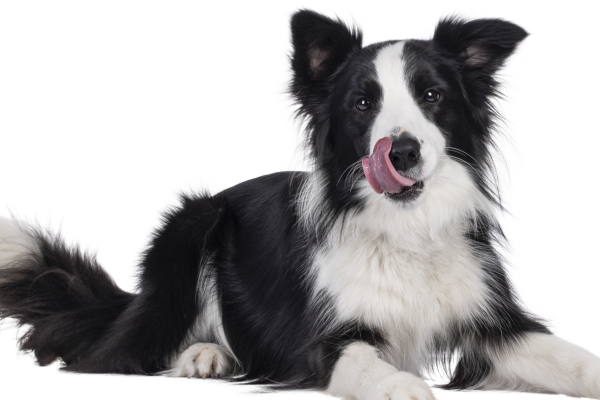
2. Lip Licking or Tongue Flicks (Without Food)
Why It Matters
Quick tongue flicks are classic canine calming signals. They indicate anxiety, confusion, or social pressure.
Often triggered by:
- Direct eye contact
- Tight hugging
- Being scolded
- Overwhelming environments
Action Step
- Avoid prolonged staring.
- Replace physical restraint with positive reinforcement.
- Practice consent-based affection (let your dog initiate closeness).
📌 Pro-Tip Box
In 2026 pet behavior circles, this is called “respecting canine boundaries.” It reduces reactivity long term.
3. Sudden Shedding Spikes
Why It Matters
Stress can trigger acute shedding — even in low-shed breeds.
You may see:
- Hair falling out during vet visits
- Shedding after loud events
- Excess hair when meeting strangers
This is adrenaline-driven.
Action Step
- Introduce calming routines before stressful events.
- Use canine enrichment before exposure (sniff walks, lick mats).
📌 Pro-Tip Box
Enrichment before exposure = regulated nervous system.
4. Whale Eye (Showing the Whites)

Why It Matters
When a dog turns their head but keeps their eyes fixed on something — showing the whites — that’s called “whale eye.”
This is a discomfort warning sign.
Common triggers:
- Children approaching too quickly
- Guarding toys
- Physical restraint
Action Step
- Immediately create space.
- Redirect attention calmly.
- Never punish this signal — it’s communication.
📌 Pro-Tip Box
Punishing warning signals teaches dogs to skip the warning next time.
5. Avoidance or Turning Away

Why It Matters
Avoidance is emotional withdrawal. It’s not stubbornness — it’s stress management.
You may see:
- Ignoring commands they normally know
- Leaving the room
- Turning their back to you
Action Step
- Evaluate recent changes: routine, diet, environment.
- Reduce pressure-based training.
- Rebuild connection with short positive sessions.
📌 Pro-Tip Box
Short 5-minute joy-based training sessions rebuild trust faster than long structured drills.
6. Hyperactivity That Feels “Out of Nowhere”
Why It Matters
Zoomies are normal — but constant overstimulation isn’t.
Chronic stress can show as:
- Inability to settle
- Restlessness at night
- Barking at small triggers
Action Step
- Increase structured decompression walks.
- Add scent games (10 minutes sniffing > 30 minutes fetch).
- Reduce overstimulating environments.
📌 Pro-Tip Box
Modern trainers call this “nervous system regulation.” Calm dogs aren’t tired — they’re balanced.
7. Excessive Licking (Paws, Furniture, You)

Why It Matters
Repetitive licking can be self-soothing behavior. It releases calming chemicals in the brain.
Watch for:
- Raw paws
- Constant blanket licking
- Targeted licking after conflict
Action Step
- Rule out allergies.
- Add long-lasting chew options.
- Increase mental stimulation, not just physical exercise.
📌 Pro-Tip Box
Mental fatigue reduces stress behaviors more effectively than over-exercising.
8. Freezing or Going Very Still

Why It Matters
Stillness is often the final warning before escalation.
Many bites happen after a freeze — not growling.
Triggers include:
- Food guarding
- Handling sensitive areas
- Forced interaction
Action Step
- Stop interaction immediately.
- Create distance.
- Consult a positive reinforcement trainer if repeated.
📌 Pro-Tip Box
A dog that growls is communicating. A dog that freezes is overwhelmed.
9. Changes in Sleep Patterns
Why It Matters
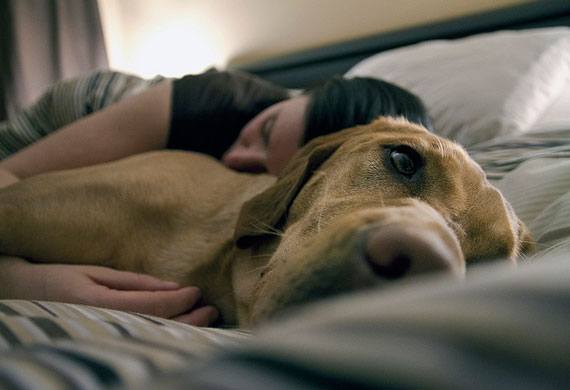
Dogs under chronic stress may:
- Sleep lightly
- Wake frequently
- Pace at night
Stress disrupts cortisol balance.
Action Step
- Create a predictable bedtime routine.
- Remove nighttime stimulation.
- Use calming enrichment before bed.
📌 Pro-Tip Box
A consistent wind-down ritual reduces nighttime anxiety within 2–3 weeks.
10. Sudden Clinginess or Sudden Distance

Why It Matters
Attachment shifts signal emotional imbalance.
Clinginess may indicate insecurity.
Distance may indicate avoidance stress.
Action Step
- Increase structured bonding (training + calm time).
- Avoid reinforcing anxious attachment.
- Support independence with short separation exercises.
📌 Pro-Tip Box
Secure dogs can relax both near you and away from you.
Quick Saveable Summary
If you notice 3 or more of these signs consistently, your dog may be experiencing stress:
- Yawning in tense moments
- Lip licking without food
- Whale eye
- Freezing
- Excessive licking
- Hyperactivity
- Avoidance
- Sleep disruption
- Sudden shedding
- Attachment changes
Stress rarely appears as aggression first — it shows as subtle communication.
The Bigger 2026 Trend: Canine Enrichment & Low-Tox Living
Modern dog care isn’t about dominance. It’s about nervous system health.
Today’s leading pet wellness principles focus on:
- Sniff-based walks
- Natural light exposure
- Reduced chemical cleaners in the home
- High-quality nutrition
- Predictable routines
A regulated dog feels safe. A safe dog doesn’t need to “act out.”
Conclusion
Your dog isn’t secretly mad — they’re communicating the only way they can. Small stress signals are early invitations to adjust, not signs of failure.
Save this guide to your Pinterest board so you can reference these signals anytime something feels “off.” Early awareness changes everything.