Cats are masters of disguise when it comes to their health. In the wild, showing weakness could make them vulnerable — so even when something’s wrong, your cat might hide it until the problem becomes serious.
That’s why it’s so important for cat owners to know the subtle signs of good (and poor) health. By regularly checking your cat at home, you can spot early warning signs and get them the care they need before things get worse.
Here’s an easy, at-home checklist you can use to help ensure your feline friend is in tip-top shape.
1. Bright, Clear Eyes 👀

Healthy cats have eyes that are bright, clear, and free from discharge. The whites of their eyes should be free of yellowing (a possible sign of liver problems) and redness (which could indicate irritation or infection).
Check for:
- No cloudiness or excessive tearing
- Pupils equal in size
- No squinting or rubbing the eyes frequently
💡 Tip: If you notice constant watering, redness, or your cat keeping an eye shut, contact your vet.
2. Clean Ears 🐾
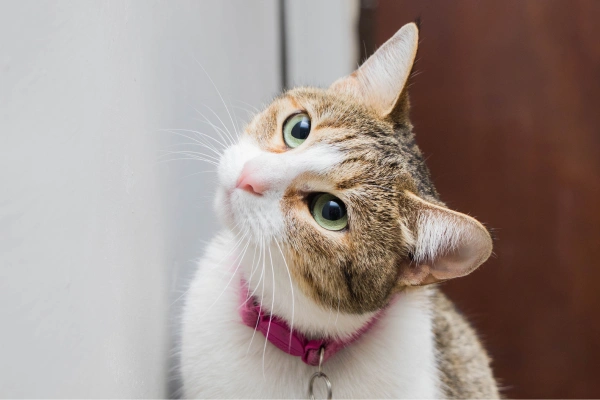
Your cat’s ears should be clean, dry, and free from odor. A healthy ear has light pink skin inside and no excessive wax buildup.
Check for:
- No dark brown/black debris (which could mean ear mites)
- No foul smell (often linked to infection)
- No redness, swelling, or head shaking
💡 Tip: Never stick cotton swabs deep into your cat’s ear — instead, wipe the outer ear gently with a vet-approved ear cleaner if needed.
3. Shiny, Smooth Coat ✨

A healthy cat’s coat should feel soft, smooth, and be free from bald patches, dandruff, or mats. Their fur condition often reflects their overall health and nutrition.
Check for:
- Even hair growth
- No excessive shedding or greasy fur
- No bald spots or skin lesions
💡 Tip: A dull coat can sometimes mean nutritional deficiencies, stress, or illness.
4. Healthy Weight ⚖️
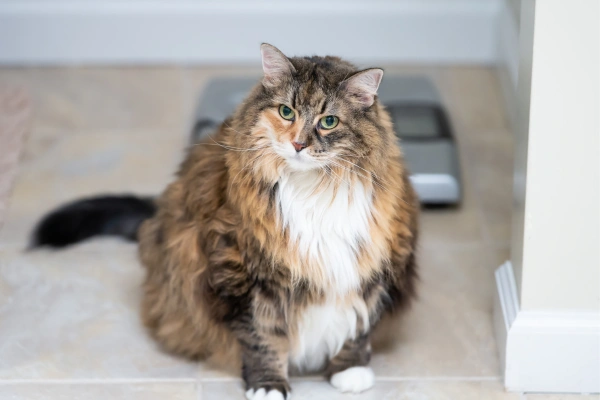
Maintaining a healthy weight is crucial for cats. Overweight cats are at higher risk for diabetes, arthritis, and heart issues, while underweight cats could be suffering from dental problems, parasites, or chronic disease.
Check for:
- Ribs are not visible but can be felt easily under a slight fat layer
- Waist is visible from above
- No sudden weight loss or gain
💡 Tip: Regular weigh-ins at home can help you track changes before they become severe.
5. Good Dental Health 🦷
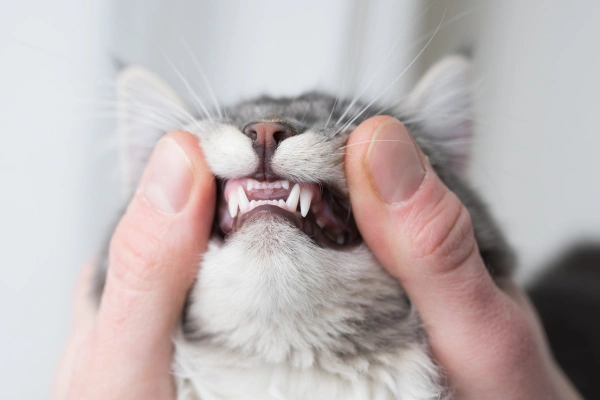
Your cat’s mouth should smell neutral (a mild fishy scent is okay), with pink gums and clean teeth. Dental issues are extremely common in cats and can lead to pain, weight loss, and organ problems.
Check for:
- No yellow/brown tartar buildup
- No red, swollen gums
- No drooling or reluctance to eat
💡 Tip: Introduce dental treats or brushing early — even a few times a week can help prevent problems.
6. Normal Appetite & Thirst 🍽️
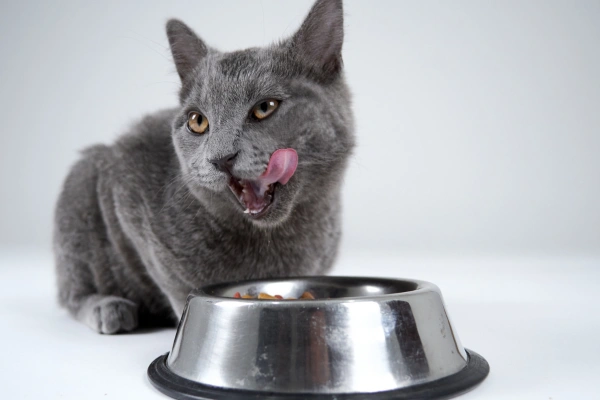
Cats are creatures of habit. If your cat’s eating or drinking patterns change suddenly, it could be a sign something’s wrong.
Check for:
- Eating normal amounts daily
- Drinking enough water (especially if on dry food)
- No sudden increase or decrease in appetite
💡 Tip: Increased thirst can be a symptom of diabetes, kidney disease, or hyperthyroidism.
7. Regular Litter Box Habits 🚽
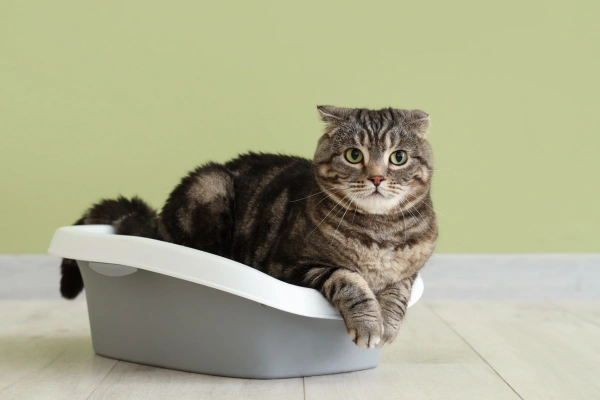
Your cat’s bathroom habits say a lot about their health. Both constipation and diarrhea can indicate problems.
Check for:
- Firm, well-formed stools
- Urine is pale yellow, not bloody
- Going to the litter box regularly
💡 Tip: Scoop daily so you can monitor any changes quickly.
8. Normal Energy & Behavior 🐈

Cats do sleep a lot (up to 16 hours a day), but they should still have bursts of playfulness and curiosity.
Check for:
- Normal grooming habits
- Responding to sounds and familiar people
- Playful or at least alert when awake
💡 Tip: Hiding more than usual or acting lethargic can be an early red flag for illness.
9. Healthy Gums & Nose 🌸
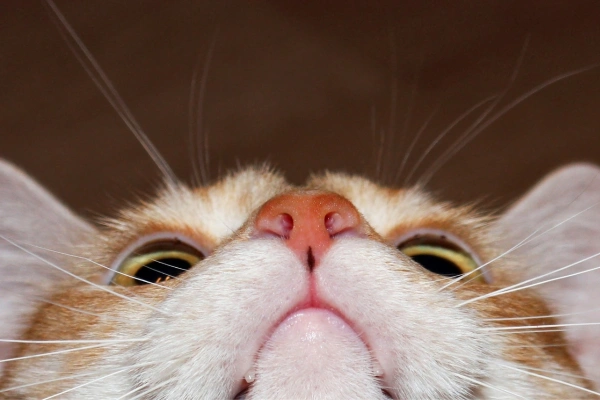
Healthy gums are pink and moist, not pale, red, or swollen. Your cat’s nose should be clean and free from crusting or discharge.
Check for:
- Pink gums that return to normal color quickly when pressed (capillary refill test)
- Nose is moist but not runny
Final Thoughts
Checking your cat’s health at home doesn’t replace regular vet visits, but it can help you catch small changes before they become big problems. By running through this easy home health checklist every few weeks, you can ensure your furry friend stays happy, healthy, and purring for years to come.