Cats are curious by nature. They explore with their noses, mouths, and paws, often assuming that anything in their environment is safe. Unfortunately, many everyday household items that seem harmless to humans can be dangerous—or even fatal—to cats.
Veterinarians regularly treat cats for preventable accidents caused by common household products. Understanding these risks is one of the most important responsibilities of cat ownership.
Below are the top 10 household items that pose serious threats to cats, along with explanations of why they’re dangerous and what you can do to protect your feline companion.
1. Toxic Houseplants
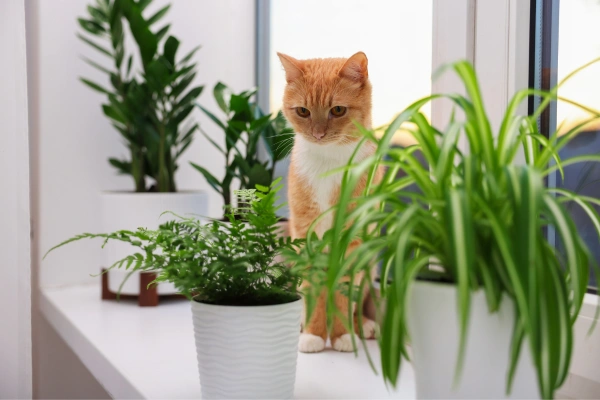
Many popular houseplants are highly toxic to cats. Even small amounts can cause severe illness.
Common dangerous plants include:
- Lilies (extremely toxic; even pollen can be fatal)
- Aloe vera
- Pothos
- Philodendron
- Dieffenbachia
Why they’re dangerous: Cats may chew on leaves out of curiosity. Lilies can cause acute kidney failure within hours.
What to do: Remove toxic plants entirely or replace them with cat-safe options like spider plants or cat grass.
2. Essential Oils and Diffusers

Essential oils are often marketed as natural and safe, but many are dangerous for cats.
High-risk oils include:
- Tea tree oil
- Eucalyptus
- Peppermint
- Citrus oils
- Lavender (in concentrated forms)
Why they’re dangerous: Cats lack the liver enzymes needed to process essential oils. Inhalation or skin contact can cause neurological symptoms, respiratory distress, or liver damage.
What to do: Avoid oil diffusers in homes with cats. Never apply essential oils directly to a cat’s fur or skin.
3. Cleaning Products and Disinfectants
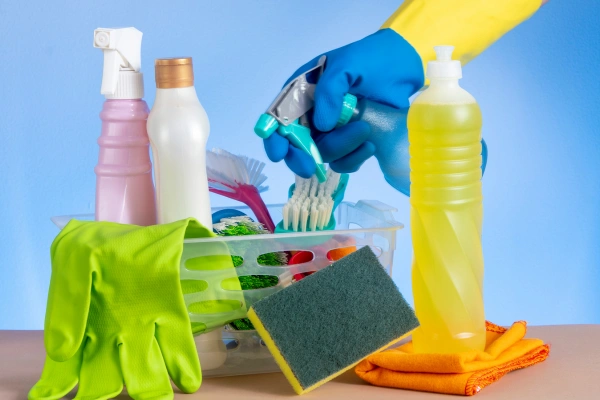
Household cleaners can contain harsh chemicals that are toxic when inhaled, ingested, or absorbed through paws.
Examples include:
- Bleach
- Ammonia
- Floor cleaners
- Toilet bowl cleaners
Why they’re dangerous: Cats walk through cleaned areas and then lick their paws, ingesting residues.
What to do: Use pet-safe cleaners and keep cats out of rooms until surfaces are fully dry.
4. Human Medications

Many medications that are safe for humans are extremely dangerous to cats.
Common offenders:
- Acetaminophen (Tylenol) – highly toxic
- Ibuprofen
- Antidepressants
- Cold and flu medications
Why they’re dangerous: Cats metabolize drugs differently. Even a tiny dose can cause organ failure.
What to do: Store medications securely and never give a cat human medicine unless directed by a veterinarian.
5. Cords, Strings, and Rubber Bands

Cats are drawn to string-like objects, which makes these items deceptively dangerous.
Why they’re dangerous: Swallowing string or cords can cause intestinal blockages or tearing, requiring emergency surgery.
What to do: Keep cords tucked away, avoid string toys without supervision, and store rubber bands securely.
6. Certain Human Foods
Some common foods can be toxic to cats even in small amounts.
Foods to avoid:
- Onions and garlic
- Chocolate
- Grapes and raisins
- Alcohol
- Caffeine
Why they’re dangerous: These foods can cause anemia, kidney failure, neurological issues, or poisoning.
What to do: Do not share human food unless it’s confirmed cat-safe.
7. Insecticides and Pest Control Products
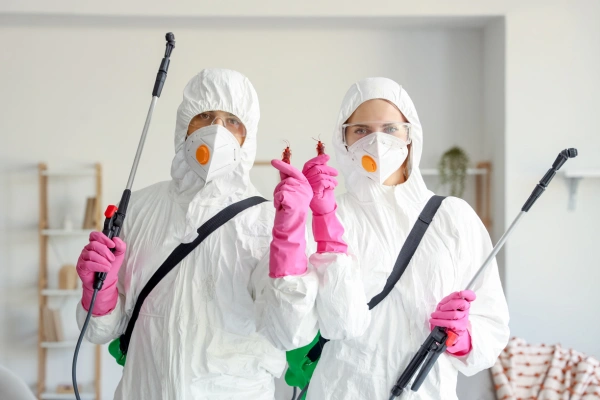
Products designed to kill insects can be extremely dangerous to cats.
Includes:
- Ant traps
- Flea sprays
- Rodent poison
Why they’re dangerous: Cats can ingest toxins by licking treated surfaces or catching poisoned insects.
What to do: Use pet-safe pest control methods and keep cats away from treated areas.
8. Open Windows and Unsecured Balconies
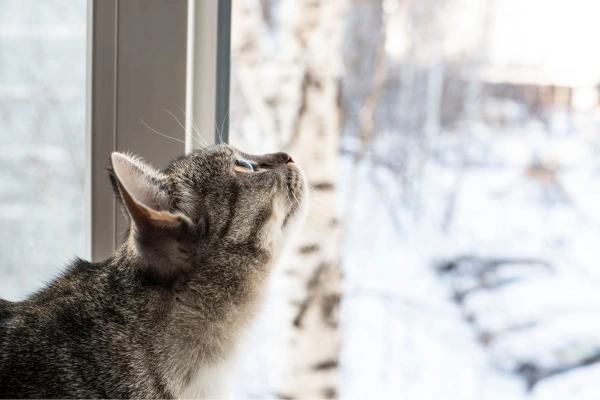
Indoor cats often fall victim to what vets call “high-rise syndrome.”
Why they’re dangerous: Cats may misjudge distances or be startled, leading to serious falls.
What to do: Install secure screens and never assume a cat won’t jump.
9. Plastic Bags and Packaging
Plastic bags are attractive to cats due to crinkling sounds and warmth.
Why they’re dangerous: Cats can suffocate or ingest plastic pieces.
What to do: Store bags out of reach and cut handles before disposal.
10. Scented Candles and Incense

Strong scents can irritate a cat’s sensitive respiratory system.
Why they’re dangerous: Smoke, fragrances, and soot particles can cause breathing issues and stress.
What to do: Avoid burning incense or use unscented candles in well-ventilated areas.
Final Thoughts: Prevention Is the Best Protection
Most household dangers are preventable with awareness and small adjustments. Cats depend entirely on their owners to create a safe environment. What seems harmless to us can be life-threatening to them.
A good rule of thumb: If a product is strong, scented, chemical-based, or string-like, assume it could be dangerous and investigate first.
Protecting your cat doesn’t require paranoia—just informed care.