Choosing a dog isn’t just about looks or popularity—it’s about lifestyle compatibility. Some breeds are easy-going and low-maintenance, while others are energetic, stubborn, or highly sensitive. The truth is, dog difficulty isn’t a judgment—it’s a measure of the care, attention, and training a breed requires.
If you’re considering a new dog—or just want to understand why your current dog challenges you—this guide explains the breeds that tend to be more demanding, why they are challenging, and what to expect before you commit.
How Breed Difficulty Is Determined
Experts rank dog breeds based on factors including:
- Energy levels – High-energy dogs need more exercise, mental stimulation, and space.
- Trainability – Some breeds learn commands quickly; others are independent or stubborn.
- Social needs – Breeds that require constant companionship can develop behavioral issues if left alone.
- Grooming demands – High-maintenance coats or shedding can make daily care time-consuming.
- Health issues – Certain breeds require special diets, medications, or veterinary monitoring.
Difficulty doesn’t mean the dog is “bad”—it means the breed is better suited for experienced or committed owners.
1. Border Collie – The Ultimate Workaholic

Why They’re Difficult: Border Collies are often ranked the most challenging breed. They are extremely intelligent, highly energetic, and emotionally sensitive. Without daily exercise and mental stimulation, they can develop destructive behaviors.
What to Expect:
- 2+ hours of intense physical activity daily
- Advanced training sessions to prevent boredom
- Mental enrichment through puzzles, agility, or herding activities
Best For: Owners experienced with high-energy working breeds who can commit to an active lifestyle.
2. Belgian Malinois – The High-Drive Protector
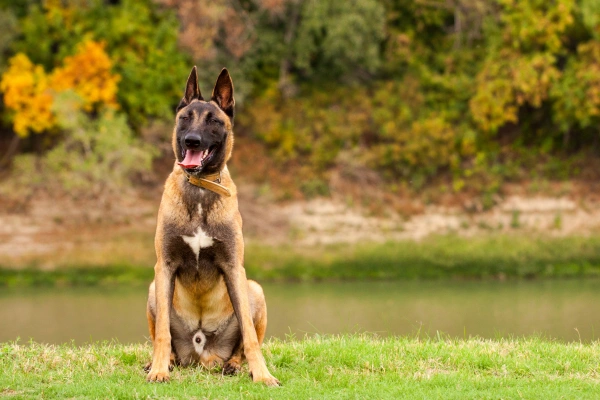
Why They’re Difficult: Often used in police or military work, Belgian Malinois are intense, loyal, and highly alert. They can be anxious if under-stimulated and are often reserved with strangers.
What to Expect:
- Extensive socialization from a young age
- Structured daily exercise and mental challenges
- Firm, consistent, and confident leadership
Best For: Active, experienced handlers, ideally with obedience or protection training knowledge.
3. Siberian Husky – The Escape Artist
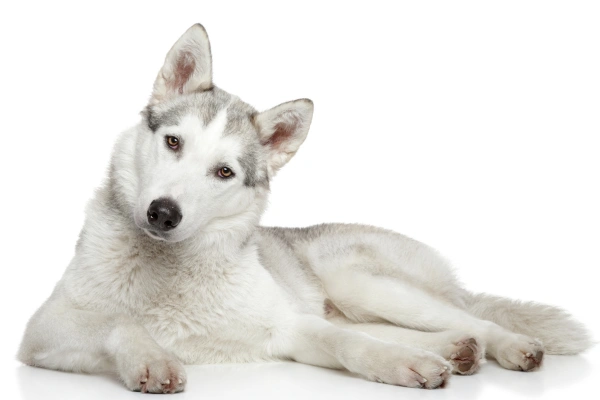
Why They’re Difficult: Siberian Huskies are independent, stubborn, and notoriously curious. Their friendly nature can mask a tendency to roam, dig, or ignore commands.
What to Expect:
- High energy levels; at least 1–2 hours of exercise daily
- Secure fencing to prevent escapes
- Patience for slow or inconsistent training
Best For: Owners who love adventure, running, or dog sports and can provide plenty of mental stimulation.
4. Akita – The Independent Loyalist

Why They’re Difficult: Akitas are strong, independent, and protective. They form deep bonds with family but can be aloof or dominant with other pets.
What to Expect:
- Early socialization with children and other animals
- Consistent leadership without harsh training methods
- Moderate exercise but structured, daily routines
Best For: Experienced dog owners familiar with confident, strong-willed breeds.
5. Dalmatian – The Energetic Companion

Why They’re Difficult: Dalmatians are high-energy, sensitive, and vocal. Without enough activity, they develop hyperactivity, excessive barking, or anxiety.
What to Expect:
- 1–2 hours of exercise daily, ideally including running or agility
- Early training and socialization
- Grooming attention due to frequent shedding
Best For: Active families or individuals who enjoy outdoor activities and have the time to commit to training.
Medium-Difficulty Breeds
Some breeds are easier than the top tier but still require consistent attention and training.
Examples:
- Australian Shepherd – Smart and energetic; needs mental stimulation
- Boxer – Playful and strong; can be boisterous around children
- Cocker Spaniel – Requires grooming and social attention
- Vizsla – Loyal and active; not suitable for apartment living
These breeds are often ideal for owners with prior experience or an active lifestyle.
Low-Difficulty Breeds
For first-time owners or those seeking a more relaxed companion, some breeds are lower-maintenance.
Examples:
- Basset Hound – Low energy, easy-going
- Cavalier King Charles Spaniel – Affectionate and adaptable
- Shih Tzu – Small, friendly, and moderate exercise needs
- Greyhound – Surprisingly lazy indoors; bursts of energy outdoors
These dogs are generally easier to train, require less stimulation, and adapt well to varied lifestyles.
Factors That Can Change Breed Difficulty
Even “easy” breeds can be challenging if:
- They’re not socialized
- They have health issues
- Their exercise needs are ignored
- Household routines don’t match their temperament
Conversely, a dedicated owner can manage high-difficulty breeds successfully with the right knowledge, training, and consistency.
Expert Tips for Managing High-Difficulty Dogs
- Consistency is Key – Establish daily routines for feeding, exercise, and training.
- Mental Stimulation Matters – Puzzle toys, scent games, and obedience challenges prevent boredom.
- Early Socialization – Expose puppies to varied people, animals, and environments to prevent behavioral issues.
- Positive Reinforcement – Avoid punishment-based methods; reward-based training improves learning and trust.
- Professional Support – Trainers, behaviorists, and veterinarians are invaluable for challenging breeds.
Bottom Line
No breed is inherently “bad”—difficulty reflects lifestyle compatibility. Understanding the energy, training, social, and health needs of a breed before adoption prevents frustration, strengthens the human-dog bond, and helps ensure a long, happy life together.
If you’re considering a new dog, ask yourself:
- Can I meet this breed’s daily exercise needs?
- Am I experienced with training and socialization?
- Do I have time for mental enrichment and care?
- Does my home environment fit this breed’s temperament?
Matching breed to lifestyle is the most effective way to prevent problems and enjoy a loving, balanced relationship with your dog.