Cats are often thought of as mysterious, independent creatures that can take or leave human company. Unlike dogs, who may cry at the door when you leave, cats can appear calm and unbothered by your absence. But if you’ve ever come home after a trip and noticed your cat acting unusually affectionate—or even standoffish—you may wonder: Do cats really miss their owners?
The short answer is yes, cats do miss their owners. The long answer? It’s a little more complex. Cats experience attachment differently than dogs, but research shows they bond deeply with their humans. In fact, your cat may notice your absence more than you think.
In this guide, we’ll dive into the science behind feline attachment, explore signs your cat misses you, discuss why they behave the way they do, and share practical tips to ease separation anxiety.
Do Cats Really Miss Their Owners?
Yes, cats do miss their owners. A landmark study published in Current Biology (2019) found that cats form bonds with their humans similar to how infants bond with caregivers. Researchers observed that when their owners left, many cats showed signs of stress—but relaxed quickly once reunited. This suggests cats feel safe and secure with their humans, and their absence can cause unease.
Unlike dogs, cats may not always display this through obvious behaviors like whining or pacing. Instead, they express it through subtle body language, changes in routine, or even unusual habits.
10 Signs Your Cat Misses You
Every cat has its own personality, but here are the most common signs that your feline friend feels your absence:
1. Affection Overload When You Return
Cats who miss their humans often become extremely affectionate after time apart. They may greet you at the door, purr loudly, rub against your legs, or demand lap time as soon as you sit down.
👉 This behavior is their way of showing relief and re-establishing their bond with you.
2. Excessive Vocalization
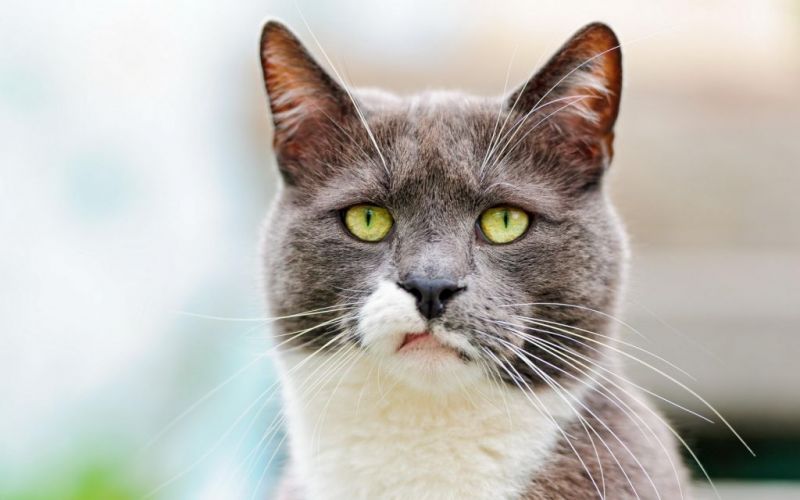
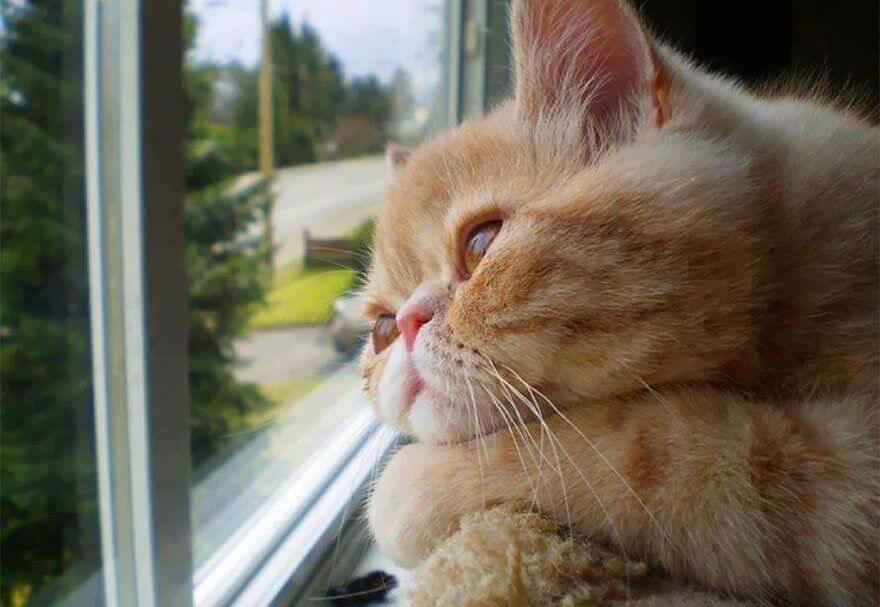
If your usually quiet cat suddenly becomes very talkative when you return—or cries out when you leave—it can be a sign they’re distressed by your absence. Some cats even meow at doors or windows while waiting for you.
3. Sleeping in Your Spot
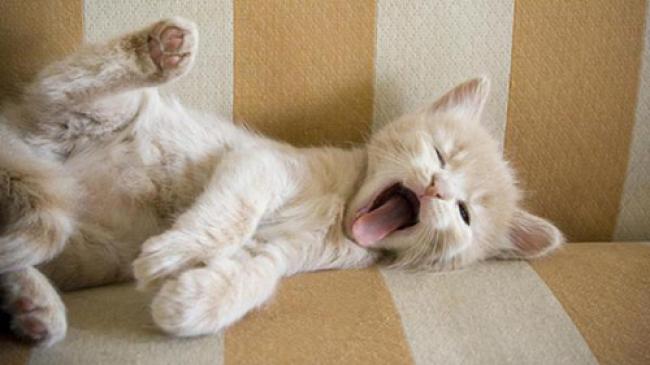
Cats are comforted by their owner’s scent. If you find your cat curled up on your pillow, in your chair, or even on clothes you left out, it’s their way of staying close to you while you’re gone.
4. Changes in Eating Habits
Some cats eat less (or not at all) when their owners are away, while others may overeat due to stress. A sudden change in appetite can signal emotional distress.
5. Clingy or Velcro-Like Behavior
When your cat follows you from room to room after you return, it’s not coincidence—they’re trying to make sure you don’t disappear again.
6. Unusual Litter Box Behavior
Cats under stress sometimes urinate or defecate outside the litter box. While frustrating, this is often a sign of anxiety rather than disobedience.
7. Destructive Actions
Scratching furniture, knocking over objects, or chewing cords may be your cat’s way of coping with boredom or frustration when left alone.
8. Withdrawal or Hiding

Not all cats become clingy when they miss you—some may retreat into hiding spots when stressed. If your cat avoids you for a while after your return, it may be their way of processing emotions.
9. Increased Grooming or Overgrooming
Stress from separation can sometimes cause cats to excessively lick themselves, leading to bald spots or skin irritation.
10. Excited or Playful Behavior
Some cats may zoom around the house or play more aggressively when you return. This burst of energy can be a sign of relief and joy.
Why Do Cats Miss Their Owners?
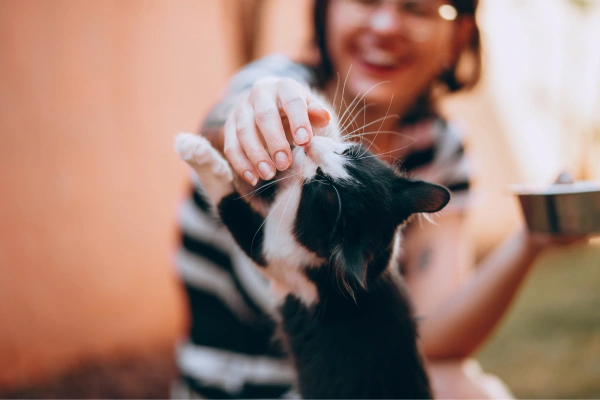
Cats miss their owners for several key reasons:
- Routine and Security – Cats thrive on predictability, and you are a major part of their daily routine. Your absence disrupts that.
- Emotional Bond – Despite their reputation for independence, many cats form strong attachments to their humans.
- Dependence on Care – You provide food, comfort, and stimulation. Without you, their environment feels incomplete.
- Territorial Instinct – Cats view their humans as part of their territory. When you’re gone, their sense of security shifts.
Do Cats Experience Separation Anxiety?
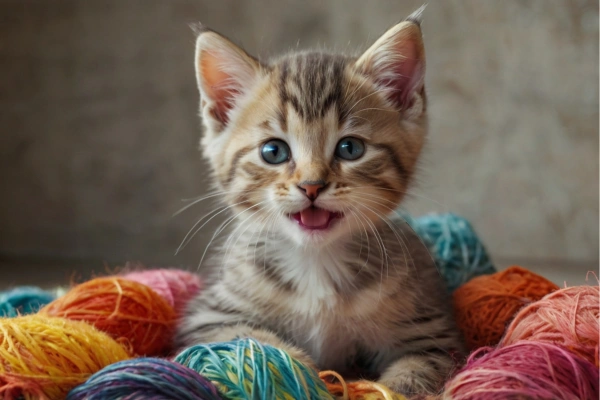
Yes—some cats suffer from separation anxiety, though it’s less recognized than in dogs. Symptoms may include:
- Constant meowing or crying when alone
- Pacing or restlessness
- Overgrooming or fur pulling
- Excessive scratching or destruction
- Loss of appetite
- Clinginess upon return
If these behaviors are consistent, your cat may be struggling with separation stress.
How to Help Your Cat Cope With Your Absence
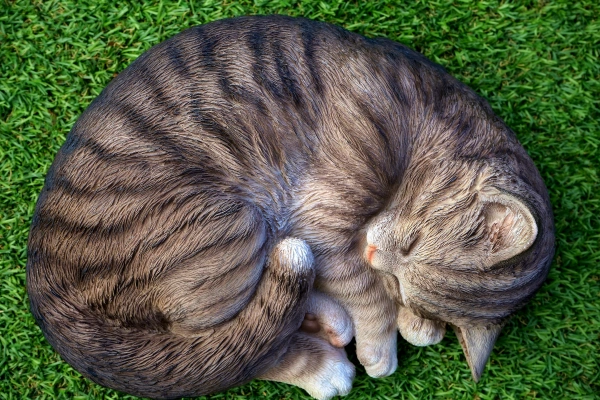
If you’re often away, here are proven strategies to keep your cat comfortable:
1. Maintain a Routine
Cats feel safer with predictable schedules. Feed, play, and cuddle at consistent times.
2. Provide Entertainment
Puzzle feeders, climbing trees, and interactive toys can keep your cat occupied while you’re gone.
3. Create a Cozy Environment
Leave a blanket or clothing item with your scent to reassure them.
4. Use Calming Aids
Feliway diffusers, sprays, or calming collars release pheromones that reduce stress.
5. Play Before Leaving
Engage in active play to tire your cat out before you leave. A tired cat is less anxious.
6. Hire a Cat Sitter or Use Pet Cameras
If you’ll be gone for long periods, a sitter or interactive camera can give your cat comfort and stimulation.
7. Consider Another Pet
For social cats, a feline companion can reduce loneliness (though this depends on personality).
Do Cats Remember Their Owners After Long Absences?
Yes—cats have excellent long-term memory. Unlike short-term memory, which is brief, cats can recall familiar people, voices, and scents for years. Many owners have reunited with lost cats after long separations, only to be met with recognition and affection.
Final Thoughts
While cats may not wear their hearts on their sleeves the way dogs do, they absolutely form strong emotional bonds with their humans. They may show it through extra affection, subtle behavior changes, or even stress-related habits—but the message is clear: cats do miss their owners.
By understanding these signs and supporting your feline friend with structure, comfort, and stimulation, you’ll strengthen your bond and make time apart less stressful for both of you.
So, next time your cat curls up in your spot or meows at the door when you leave, remember—it’s not just routine. It’s love.