Dog treats are everywhere—training bites, dental chews, freeze-dried snacks, “natural” biscuits, soft chews, jerky strips. Walk down any pet aisle and you’ll see hundreds of options, all promising health, happiness, and longevity.
But here’s the uncomfortable truth: many dog treats are nutritionally empty—or worse, harmful when fed regularly.
Veterinary nutritionists consistently warn that treats are one of the most misunderstood parts of a dog’s diet. This guide breaks through marketing noise and explains how to choose dog treats that are actually safe, beneficial, and evidence-based.
Why Treat Choice Matters More Than You Think
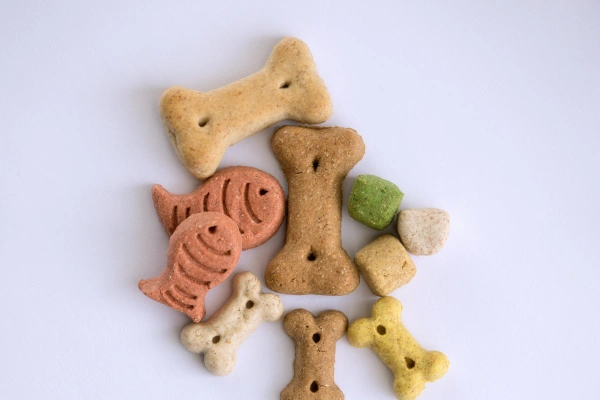
Treats may seem minor, but they can make up 20–30% of a dog’s daily calories in some households. Poor-quality treats can contribute to:
- Obesity
- Digestive upset
- Dental disease
- Food sensitivities
- Behavioral issues
According to veterinary nutrition guidelines, treats should never undermine a balanced diet—yet many do.
What Veterinary Experts Agree On

Most board-certified veterinary nutritionists agree on five core principles:
- Treats should be minimally processed
- Ingredient transparency matters more than branding
- Protein quality is more important than flavor
- Treat texture should match the dog’s age and health
- Calories matter—even from “healthy” treats
Let’s break this down.
Step 1: Read the Ingredient List (Correctly)
Ingredients are listed by weight, not quality. That’s why reading labels properly is essential.
What to Look For
- A named animal protein first (e.g., chicken, beef, salmon)
- Short ingredient lists
- Recognizable foods
Red Flags
- “Meat by-product” as the first ingredient
- Artificial colors or flavors
- Added sugars (molasses, cane sugar, corn syrup)
- Chemical preservatives (BHA, BHT, ethoxyquin)
Expert insight: Treats with fewer than 8–10 ingredients are generally easier to digest and less likely to cause sensitivities.
Step 2: Understand Protein Quality
Protein is the most important part of a dog treat.
High-Quality Proteins
- Single-source animal protein
- Freeze-dried or gently cooked
- Clearly labeled species
Lower-Quality Proteins
- Generic “meat meal”
- Unspecified animal sources
- Highly processed protein isolates
Dogs don’t need exotic proteins—they need digestible, bioavailable amino acids.
Step 3: Match Treats to Your Dog’s Life Stage
Puppies
- Soft, small treats
- High protein
- No hard chews (protect developing teeth)
Adult Dogs
- Balanced protein and fat
- Functional treats (training, dental, enrichment)
Senior Dogs
- Soft or chewy textures
- Lower calories
- Joint-supportive ingredients
Expert tip: Aging dogs often lose chewing strength before appetite—hard treats can lead to food refusal.
Step 4: Texture Is Not Just Preference—It’s Health
Treat texture affects:
- Dental pressure
- Swallowing safety
- Digestive comfort
Crunchy Treats
- Not dental cleaners
- Can fracture teeth in small or senior dogs
Soft & Chewy Treats
- Better for sensitive teeth
- Safer for older dogs
- Easier to portion
Freeze-Dried Treats
- High nutrient retention
- Can be rehydrated for softness
Step 5: Calories Matter (More Than Labels Admit)
Many treats don’t list calorie content clearly.
Veterinary guidance recommends:
- Treats = no more than 10% of daily calories
- For small dogs, that can be just 1–2 treats per day
High-fat treats marketed as “natural” are a common cause of weight gain.
Step 6: Avoid Marketing Traps
Words that sound healthy but mean nothing legally:
- “Premium”
- “Holistic”
- “Human-grade” (unless certified)
- “Natural flavor”
Instead, look for:
- AAFCO feeding statements (for complete diets)
- Clear sourcing information
- Transparent manufacturing location
Step 7: Functional Treats—Do They Work?
Some treats offer real benefits when formulated correctly.
Evidence-Supported Functional Treats
- Dental chews with VOHC approval
- Probiotic treats with specific strains
- Omega-3 enriched treats (EPA/DHA)
Treats With Weak Evidence
- Detox treats
- Immune “boosters”
- Anti-aging claims
If it sounds medicinal, ask for clinical backing.
Homemade vs Store-Bought Treats
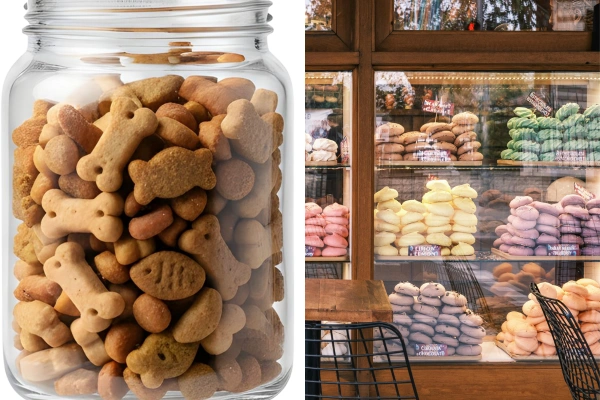
Homemade Pros
- Full ingredient control
- Adjustable texture
- No preservatives
Homemade Cons
- Inconsistent nutrition
- Short shelf life
Store-bought treats can be excellent—if chosen wisely.
When to Ask Your Vet
Consult a veterinarian if your dog has:
- Food allergies
- Chronic digestive issues
- Pancreatitis history
- Dental disease
- Kidney or liver conditions
Some treats—even “healthy” ones—can be harmful in medical cases.
The Bottom Line
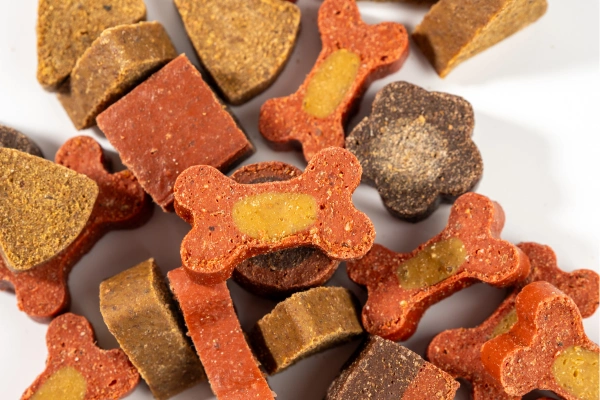
The best dog treats are not the trendiest or most expensive. They are:
- Simple
- Protein-forward
- Appropriately textured
- Calorie-conscious
- Transparent in ingredients
When chosen correctly, treats enhance training, bonding, and enrichment—without compromising health.
If a treat requires heavy marketing to justify itself, it probably isn’t worth it.