If you’ve ever scratched your cat in just the right spot—under the chin, behind the ears, or at the base of the tail—you might have noticed a funny reaction. Some cats twitch, squirm, or even kick with their back legs when touched in certain areas. Naturally, this raises the question: Are cats ticklish? Do they experience tickling the same way humans do?
The short answer: Yes, cats can have ticklish spots—but it’s not quite the same sensation we humans describe as “tickling.” In this article, we’ll dive deep into:
- The science behind whether cats are truly ticklish
- The body areas most likely to trigger a ticklish response
- The difference between pleasure, irritation, and sensitivity
- How to touch your cat safely and respectfully
- Signs your cat enjoys it (or wants you to stop)
By the end, you’ll know exactly how to understand your cat’s body language when it comes to ticklish touches.
Do Cats Experience Tickling Like Humans?
Humans usually think of tickling in two ways:
- Knismesis – A light, feathery sensation (like when a bug crawls on your skin).
- Gargalesis – A deep tickle that usually makes people laugh uncontrollably.
For cats, it’s different. Cats don’t laugh, but they do have nerve endings in their skin that make certain touches feel intense—sometimes pleasant, sometimes annoying. That’s why what you interpret as “ticklish” could actually be:
- A pleasurable sensation (they enjoy it).
- A sensitive nerve response (overstimulation).
- An irritation (like a bug crawling on them).
So yes, cats can be “ticklish,” but their version is more about sensitivity than humor.
The Most Ticklish Spots on a Cat
Every cat is unique, but there are certain areas where cats tend to react more strongly:
1. Chin and Cheeks
Most cats love being scratched under the chin and along the cheeks. These areas are full of scent glands, so when you scratch there, it feels soothing and comforting.
2. The Base of the Tail
Some cats get an excited, twitchy response when scratched right above the tail. For some, it’s enjoyable. For others, it’s overstimulating.
3. The Belly
The belly is the most controversial ticklish spot. While some cats expose their stomachs as a sign of trust, most don’t like belly rubs. The skin here is sensitive, and a surprise touch can trigger a defensive reaction—often a grab-and-kick with their hind legs.
4. Whisker Area
Cats’ whiskers are highly sensitive. Light touches around them can feel ticklish, though many cats don’t like this sensation at all.
5. Paws and Toes
Cats usually don’t enjoy having their paws touched. Since they use their paws for hunting, climbing, and balance, they’re extra protective of them. Light touches here may cause a quick withdrawal, as if they’ve been tickled.
How Cats Show They’re Enjoying It
Since cats can’t laugh, you need to watch for positive body language signs that show they’re enjoying the touch:
- Purring: The ultimate sign of contentment.
- Slow blinking: Indicates comfort and trust.
- Leaning in: If your cat presses into your hand, they like it.
- Kneading paws: A kitten-like behavior that shows relaxation.
- Relaxed tail movements: A gently swaying tail usually means they’re comfortable.
Signs Your Cat Wants You to Stop
Tickling can quickly cross into irritation. Watch for these warning signs:
- Tail flicking or thumping: A sign of agitation.
- Flattened ears: Indicates annoyance or discomfort.
- Sudden biting or batting: A clear “no more, please.”
- Skin twitching along the back: Overstimulation is happening.
- Walking away: The simplest way a cat says, “I’ve had enough.”
Respecting these signals is important. Forcing contact when your cat is done can harm the trust between you.
Why Cats React Differently to Tickling
Not every cat will react the same way. Here’s why:
- Personality: Some cats are more tolerant of touch, while others are easily overstimulated.
- Socialization: Kittens handled often (and gently) are more likely to accept touch in adulthood.
- Breed Differences: Breeds like Ragdolls or Maine Coons tend to be more tolerant of belly rubs, while others (like Siamese) may be more sensitive.
- Mood and Environment: A relaxed cat may tolerate a ticklish touch, but a stressed or anxious cat won’t.
The Science Behind Ticklish Sensations in Cats
Cats’ skin is covered in nerve endings that make them highly responsive to touch. When stimulated, these nerves send signals to the brain. Depending on the context, the brain interprets the signal as:
- Pleasurable (like grooming or scratching an itch).
- Annoying (like a bug crawling).
- Defensive (a threat near a vulnerable area).
This is why tickling can feel great one minute and cause irritation the next.
Should You Tickle Your Cat?
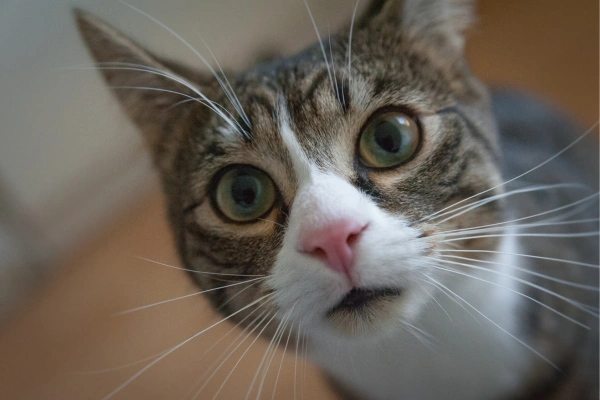
The best approach is simple: let your cat decide.
- If they lean in, purr, or nudge your hand → keep going.
- If they twitch, swat, or walk away → stop immediately.
Tickling should always be cat-led interaction. Some cats may even initiate it by nudging their chin into your hand or rolling over to invite gentle touches.
How to Safely Explore Your Cat’s Ticklish Spots
If you’re curious to see if your cat is ticklish, here’s a gentle method:
- Start with known safe zones like the chin or cheeks.
- Watch their reaction closely—look for purring or tail flicking.
- Try short sessions rather than long scratches.
- Respect boundaries if your cat signals “enough.”
- End on a positive note with a treat or cuddle so they associate the experience with comfort.
The Difference Between Tickling and Overstimulation
Sometimes what we call “tickling” is actually overstimulation. Cats can only tolerate so much petting before their nerves become overly sensitive. This is especially true for:
- Long petting sessions.
- Rough scratching.
- Touching vulnerable areas like the belly or paws.
Overstimulation often results in a quick bite or swat—not because your cat is aggressive, but because they’ve reached their limit.
Do Cats Ticklishly “Play” With Each Other?
Interestingly, cats sometimes trigger ticklish reactions in each other during grooming. When cats groom one another (allogrooming), they often lick sensitive areas like the head, neck, or back. The cat being groomed may twitch, squirm, or even playfully bat back—similar to how a ticklish response looks in humans.
This shows that ticklish sensations are a normal part of feline interaction.
Final Thoughts: Are Cats Ticklish?
The answer is yes—cats can be ticklish, but not in the same way humans are. Instead of laughter, cats respond with body language that tells you whether they’re enjoying the sensation or finding it irritating.
Understanding the difference is key:
- Pleasurable tickle = purring, leaning in, slow blinking.
- Irritation or overstimulation = tail flicks, twitching, swatting, or walking away.
At the end of the day, ticklish spots are just another example of how cats communicate with us. Paying attention to their subtle signals will not only help you avoid unwanted scratches but also strengthen your bond with your feline friend.
So the next time your cat gives you that funny little twitch when you scratch their chin or belly, remember—they might just be a little ticklish after all. 🐾