Cats are masters of hiding discomfort, but as they age, their needs change in ways you might not expect. Senior cats (generally those over 10 years old) require a little extra love, patience, and care to help them stay happy and comfortable.
If you want your golden-aged feline to purr a little louder and love you a little harder, here are 8 thoughtful things you can do that your senior cat will silently (or loudly) thank you for.
1. Schedule More Frequent Vet Checkups 🩺
Kittens and young cats can often get by with one vet visit per year, but older cats should see the vet every 6 months. Senior cats are more prone to conditions like kidney disease, hyperthyroidism, arthritis, and dental problems — and catching these early can make a big difference in quality of life.
💡 Tip:
- Ask your vet for a senior wellness panel that includes blood work, urine tests, and dental checks.
- Keep a notebook of small behavior changes you notice — even tiny differences in appetite, weight, or litter box habits can help your vet spot issues early.
2. Give Them a Soft, Warm Sleeping Spot 🛏️
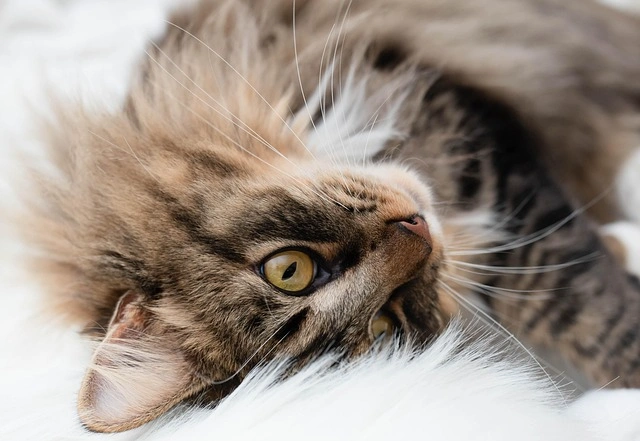
Senior cats often develop arthritis or joint stiffness, and hard surfaces can be uncomfortable. Giving them a plush bed in a warm, quiet corner will make nap time even sweeter.
💡 Tip:
- Orthopedic cat beds or heated pads (pet-safe ones) are perfect for older cats.
- Place the bed somewhere elevated if they enjoy a “lookout” spot, but make sure it’s easy to climb onto.
3. Keep Playtime Gentle but Regular 🎾
Your senior cat may not be chasing feather toys for 30 minutes straight like they used to, but they still need daily activity to maintain muscle tone, flexibility, and mental stimulation.
💡 Tip:
- Shorter play sessions, 2–3 times a day for 5 minutes, work best.
- Toys that encourage slow, deliberate movements (like puzzle feeders or slow-moving wand toys) are great.
4. Make Litter Box Access Easy 🚪
Arthritis and reduced mobility can make tall litter box sides and long treks across the house a real challenge.
💡 Tip:
- Switch to a low-entry litter box so they can step in easily.
- Place multiple litter boxes in different areas if your home is large, so your cat doesn’t have to travel far.
5. Adjust Their Diet for Senior Needs 🍲
Older cats need high-quality protein to maintain muscle, but some may also need special diets for conditions like kidney or thyroid disease.
💡 Tip:
- Ask your vet if a senior-specific cat food is right for them.
- Wet food is easier to chew and provides extra hydration, which is vital for older cats who may not drink enough water.
- Consider adding a cat-safe broth for extra flavor and fluid intake.
6. Keep Their Mind Sharp 🧩
Mental stimulation is just as important as physical care. Cats can experience cognitive decline (similar to dementia in humans), so keeping their brain engaged can help slow it down.
💡 Tip:
- Use food puzzle toys, hide treats around the house, or teach simple tricks.
- Spend time talking to your cat — yes, they might “answer” back!
7. Show Extra Patience and Love 💕
Your senior cat may move slower, sleep more, or be less tolerant of changes — but that doesn’t mean they love you any less.
💡 Tip:
- Keep routines consistent to reduce stress.
- Make time for gentle grooming sessions or just quiet snuggle time.
- Talk softly, pet gently, and let them set the pace for interactions.
8. Groom Them More Often 🪮
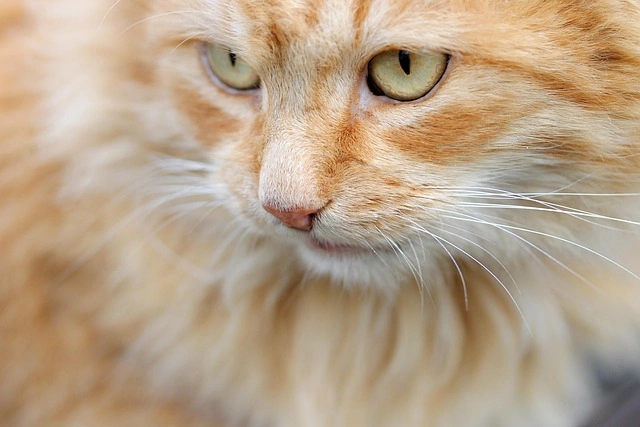
Older cats may have trouble grooming themselves due to arthritis or reduced flexibility, which can lead to matted fur and skin problems.
💡 Tip:
- Brush them regularly to remove loose fur and prevent tangles.
- Use a soft brush for comfort, and reward them with treats after each grooming session.
- Check their claws — older cats may need more frequent trimming.
Final Thoughts
Caring for a senior cat is a beautiful act of love. By making small adjustments in their daily life, you’re not just adding comfort — you’re giving them more happy years with you. The best thank-you will be in the form of purrs, slow blinks, and the way they still follow you from room to room.