For us, Halloween means costumes, candy, and the fun of trick-or-treating. But for many dogs, it’s a night filled with unpredictable noises, flashing lights, strange people, and sudden doorbell rings—all of which can trigger anxiety and distress.
If your dog starts panting, pacing, hiding, or barking excessively as night falls, they’re telling you they’re stressed. The good news is: with thoughtful preparation and calming strategies, you can help your dog feel safer and more comfortable. In this article, you’ll find 7 science- and experience-backed ways to ease your dog’s anxiety during Halloween night.
1. Prepare a “Safe Zone” (Zen Den) in Advance
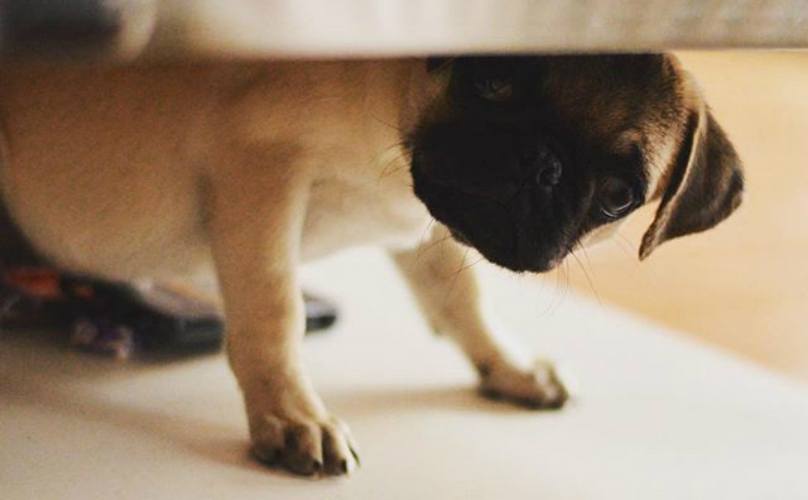
One of the most effective ways to reduce nighttime stress is to give your dog a quiet retreat away from the chaos.
How to set it up:
- Choose a room or space far from the front door, away from foot traffic, noise, and opening doors. (Avoid high traffic areas.)
- Equip that space with familiar bedding, favorite toys, and comforting items (e.g. a blanket, chew toy).
- Use white noise, soothing music, or a TV to mask the sounds of knockings, voices, or costume noises.
- Consider using calming pheromone diffusers or sprays (e.g. Adaptil, D.A.P.) to help reduce stress.
- If your dog tolerates a crate and feels safe there, you can place the crate (covered lightly) in the safe room so they can retreat there.
Why it works: Having a refuge gives your dog control and a sense of safety. It reduces sensory overload by filtering out scary stimuli.
Tip: Practice using the safe zone on quiet evenings well before Halloween so your dog associates it with calm, not fear.
2. Tire Them Out Earlier in the Day
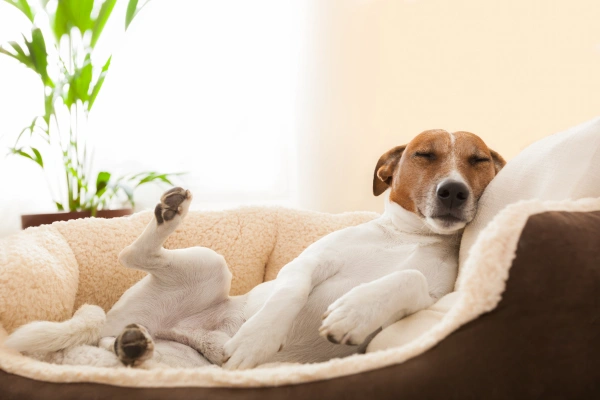
A physically and mentally tired dog is more likely to rest through the evening instead of reacting to triggers.
What you can do:
- Give your dog extra exercise earlier in the day — a long walk, play session, fetch, or energetic playtime.
- Introduce mental stimulation (puzzle toys, snuffle mats, treat-dispensing toys) so their brain works as well as their body.
- Keep their schedule close to normal (meals, bathroom breaks) so you don’t disrupt the routine too much.
Rationale: Exercise helps reduce excess energy, lowers stress hormone levels, and makes dogs more likely to settle down when stimuli intensify.
3. Mask & Muffle Scary Sounds
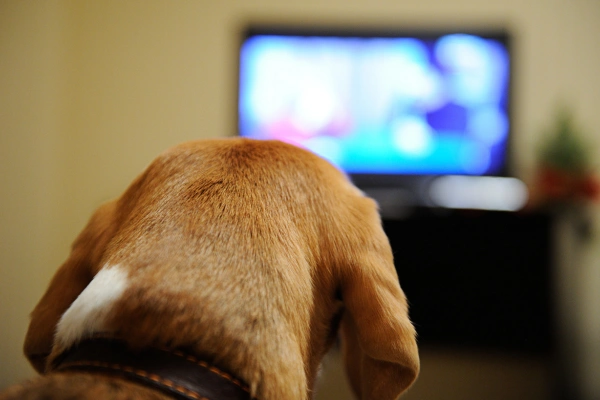
Halloween is noisy: doorbells, footsteps, voices, sometimes fireworks or decorations that clang or move. Reducing the impact of these noises can make a big difference.
Strategies:
- Close windows and curtains to block external noise.
- Use white noise machines, fans, or soft classical music to help drown out sudden sounds.
- Turn on the radio or TV at low volume in the dog’s safe area to provide background “cover.”
- For dogs with sound phobia, consider noise-canceling gear or dog earmuffs, if your dog tolerates them.
- Gradually desensitize to door knock / bell in advance: during the weeks before Halloween, randomly ring your bell or knock and reward calm behavior. (Don’t do this for the first time on Halloween night.)
Why it matters: The less your dog is startled by unpredictable noises, the more stable their emotional state will remain.
4. Distract & Occupy With Long-Lasting Treats & Toys
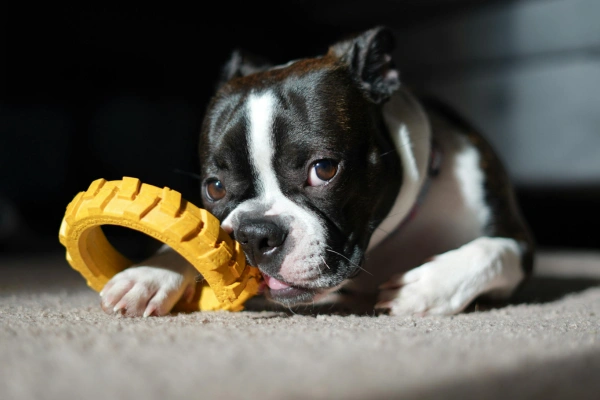
One of the best ways to redirect anxiety is to give your dog something positive and absorbing to focus on.
What to try:
- Fill a Kong or toy with peanut butter (xylitol-free), pumpkin puree, kibble, or a mix. Freeze it if possible to increase engagement time. )
- Give a long-lasting chew or treat (dental chew, bully stick, safe chew toy) during the busiest period.
- Provide puzzle feeders or interactive toys that require effort to get treats out.
- Reward calm behavior. If your dog remains relaxed during the trick-or-treater rush, give treats or praise to reinforce the calm state.
Benefit: This diverts focus, mentally stimulates, and replaces fear responses with positive ones.
5. Manage Door Interactions & Trick-or-Treat Responses
Much of the stress comes from repeated door openings and unfamiliar faces. Minimizing and managing these interactions can reduce bursts of fear.
Approaches:
- Limit access to the front door. Keep your dog in their safe zone or in a separate part of the house during the peak trick-or-treat window.
- Post a “No Doorbell / No Knock” sign: ask visitors to leave candy in a bowl outside rather than knocking.
- If you’ll be answering the door, scatter treats away from the door or toss them to the back as a distraction when the doorbell rings. Some dog owners use this tactic to redirect attention.
- Teach a “Quiet” or “Go to your place/bed” command in advance. When trick-or-treaters come, cue your dog to go to their spot and reward calm behavior. (Train this ahead of time!)
- Greet visitors outside rather than letting them come to your front door (if possible), so the trauma of knocking is minimized.
Goal: Reduce direct contact and repeated startling events at the door, turning them into more controlled, predictable interactions.
6. Use Calming Aids, Supplements & Vet Support (If Needed)
When anxiety levels are high, low-risk supportive aids can help. But they must be used thoughtfully and ideally under veterinary approval.
Options:
- Calming chews or supplements that contain ingredients like L‑theanine, chamomile, tryptophan, or CBD (where legal and vet-approved).
- Prescription anxiolytics or sedatives, in severe cases, prescribed by a vet (e.g. trazodone, other anti-anxiety meds).
- Pheromone diffusers or collars (Adaptil, D.A.P.) in the safe zone to help signal safety to your dog.
- Calming vests or wraps (like ThunderShirt) that apply gentle pressure — some dogs find this comforting.
- Musical therapy or audio specifically designed for dogs (soundtracks with calming frequencies).
- Always consult your vet well before Halloween to see what’s safe for your dog and to run a trial.
Note: Calming aids are adjuncts, not replacements for environment and training strategies. Their benefits vary by dog.
7. Monitor, Comfort, & Stay Calm Yourself
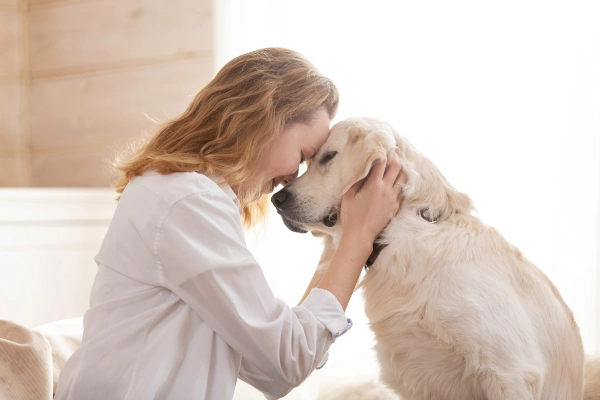
Dogs are highly attuned to our emotional state. If you act fearful or tense, your dog may mirror that. And vigilant monitoring helps catch early signs of overwhelming fear.
Tips:
- Stay calm and confident. Speak in soothing tones and keep your movement steady.
- Check in on your dog regularly—but don’t overly reassure (which might amplify anxiety). A calm pat is fine; overt fussing may heighten stress.
- Watch for signs of escalation: panting, drooling, pacing, trembling, hiding, whining, ears pinned back, lip licking, yawning, or trying to escape. If these appear, consider moving to a quieter spot or using an aid.
- Offer brief breaks—periodically take the dog outside (if safe) or allow them to reset away from stimuli.
- Avoid masking symptoms with punishment. Yelling or scolding increases fear and confusion.
- Have identification ready: ensure your dog wears a collar with tags and is microchipped, in case they bolt out of fear.
- Stay home or have someone supervise. Dogs often feel safer when their trusted human is present.
Putting It All Together: Sample Timeline & Checklist
Here’s how a suggested evening timeline might look:
| Time | Action |
|---|---|
| Afternoon | Extra walk or play session to drain energy |
| Late afternoon | Mental enrichment games, puzzle toys |
| Early evening | Prepare safe zone, activate background noise, place calming aids |
| Trick-or-treater window | Keep dog in safe zone, limit access to door, distribute treats |
| Peak doorbell times | Use scatter-treat or “quiet” commands, minimize direct stimuli |
| Wind-down | Give calm attention, avoid overstimulation, offer comfort |
| Night | Let dog rest in safe zone, monitor, avoid surprises |
Checklist (before nightfall):
- Safe zone ready (blanket, toys, diffuser)
- Doors, windows, curtains secured
- Background noise or music ready
- Long-lasting chew or toy prepared
- Calming aids or supplements in place (if using)
- Training cue (quiet / place) primed
- Dog has been exercised and mentally engaged
- Identification current (tags, microchip)
- Plan for supervising or staying home
Additional Precautions & Considerations
- Costume caution If you want your dog to wear a costume, introduce it gradually before Halloween. Make sure it’s comfortable, allows movement and doesn’t obstruct vision or breathing. If your dog resists, skip the costume.
- Decor and prop risks Avoid decorations that can be chewed, have dangling wires, small parts, lit candles, or flashing animatronics that may spook your dog.
- Candy & food hazards Keep all candy, wrappers, xylitol-containing sweets, chocolate, grapes/raisins, etc., completely out of reach. Even empty wrappers can pose a choking or obstruction risk.
- Escape prevention During frequent door opening, ensure your dog cannot slip outside. Use gates, keep them in a secure room, and double-check locks.
- Keep routines as normal as possible Try to stick to regular mealtimes, potty breaks, and sleep routines. The more familiar, the less stress.
- Recognize limits Some dogs may never fully “love” Halloween. If your dog is extremely phobic, consider boarding them or hiring a pet sitter in advance so they can stay in a calm environment away from the chaos.
A Calmer Halloween for You & Your Dog
Halloween doesn’t have to be a night of fear for your dog. With thoughtful preparation, environment control, gentle training cues, and supportive aids, you can transform it into a safer—and quieter—night.
Remember: your dog’s emotional state is more important than “participating” in every Halloween tradition. Sometimes the kindest choice is giving them peace, not putting them through stress. With these 7 strategies, you’ll be well-equipped to help your dog navigate October 31st with more confidence and calm.